







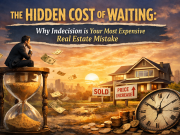










Does intelligence protect you from real estate mistakes? Discover why “analysis paralysis” and ego lead smart investors to make bad property decisions.
It’s a hard truth that many highly intelligent people struggle with: intelligence alone does not protect you from making bad property decisions. In fact, the more intelligent you are, the more dangerous your cognitive biases and emotional blind spots can become. This is because intelligence often equips you with sophisticated tools for rationalizing and self-deception, rather than clarity and sound judgment.

The Intelligence Trap
We might ruffle some feathers here, including yours. Today’s topic isn’t just about house sizes or interest rates; it’s about why smart people still make bad property choices. Before you get defensive, no, I’m not saying you’re not smart enough to understand the market. What I am saying is that being smart doesn’t protect you from emotions. In fact, for many high achievers, having a high IQ can actually hide their fears really well.
The Complex Link Between Intelligence and Fear
You might think being smart means you won’t feel fear or make bad choices. But that’s not true. Fear is a basic survival tool in our brains. Being intelligent doesn’t get rid of it. Sometimes, being smart makes fear worse. This happens because smart people tend to overthink and get stuck in “analysis paralysis.” That means they get overwhelmed by too much information and can’t decide.
Research shows smart people often feel more anxious about making decisions. They think about many factors and possible problems. For example, a smart investor might spend too much time studying market data. This can make them wait too long to buy a property.
Intelligence does not make us immune to fear. In fact, smart people are sometimes worse. Why? Because they overthink.
The Cognitive Architecture of Overthinking
When a brilliant mind, a doctor, a senior executive, or a seasoned entrepreneur, enters the real estate market, they don’t just see a property. Instead, they envision dozens of possible futures. They analyze macroeconomic trends, demographic shifts, and the potential for neighborhood transformation. This phenomenon is what we call the “Intelligence Trap.” While thorough research is essential, smart individuals often use extensive data gathering as a socially acceptable way to procrastinate. They aren’t avoiding a poor property choice; rather, they’re avoiding the vulnerability that comes with the possibility of being wrong.
The Anatomy of “Analysis Paralysis”
The more stuff you try to figure out, the more excuses you find to wait. This creates what people call Analysis Paralysis. It’s when you spend so much time looking for perfect information that the deal itself becomes worthless. Here’s what happens: while you’re busy making sure a property has zero risk, the market moves. The opportunity disappears. And your ROI gets eaten up by inflation or higher prices.
| The Logical Investor | The Over-Analytical Investor |
| Views 5-10 properties and selects the best fit. | Views 50 properties and finds a flaw in every one. |
| Accepts that market volatility is a constant. | Tries to time the bottom of the market perfectly. |
| Focuses on long-term equity growth. | Obsesses over minor, fixable cosmetic issues. |
| Makes a decision once 80% of the criteria are met. | Waits for 100% certainty (which does not exist). |
Why Overthinking Can Lead to Poorer Decisions
Thinking too much doesn’t always help. It can hurt. Our brain has limited energy. When we use it all on worrying and thinking, we have less left for controlling emotions and trusting our gut. This can cause:
- Delays in deciding, so chances are missed.
- Doubting yourself, which lowers confidence.
- Making excuses for bad choices with complicated reasons.
Here’s what happens: smart people are really good at making up stories that back up their fears and biases. This makes them less likely to admit they’re wrong or ask for help.
| Aspect | Effect on Decision Making |
|---|---|
| High intelligence | Enables complex rationalizations for emotional decisions |
| Fear | Triggers defensive thinking and avoidance of risk |
| Emotional regulation | Often compromised under stress despite intelligence |
| Mental energy overload | Leads to cognitive shortcuts that increase errors |
“More Time” Is an Illusion
Brilliant people often say,
I just need more time.
But time is rarely the missing ingredient. What they actually need is emotional clarity. In real estate, time is a currency. Every month spent “thinking it over” is a month of lost rental yield or a month where compounding interest works against you rather than for you. When you say you want to be sure, you are often admitting that you are afraid of the discomfort that comes with a permanent, public, and high-stakes commitment.
In busy city markets, property goes up 5-8% each year. Wait 12 months “to be sure,” and you lose Php50,000 on a Php1M property. That’s real money.
Most people care more about being right than building wealth.
Here’s the thing about property – everyone can see it. You can’t hide it like stocks. So when you’re wrong, everyone knows. And that scares people more than losing money.
By understanding that your brain is wired to protect your ego, you can begin to see your hesitation for what it really is: a barrier to financial growth. Real intelligence isn’t about having all the answers; it’s about knowing when you have enough information to take a calculated risk.
This acknowledges the uncomfortable but essential truth that high intelligence alone does not prevent poor property decisions. Instead, it often complicates the decision-making process by introducing more opportunities for overthinking, fear, and self-deception. Understanding this dynamic is crucial for smart investors who want to improve their emotional regulation, judgment, and ultimately, their investment outcomes.
The Four Pillars of Property Failure
To grasp why smart people continue to make poor property decisions, it’s essential to examine the psychological and emotional roots that often trip up even the brightest investors. These roots can be broken down into four main pillars: Fear, Ego, Perfectionism, and Identity. Each pillar significantly influences decision-making, often leading to flawed judgments and emotionally charged choices that compromise real estate investment success.
1. Fear: The Biological Response to Permanent Commitment
Fear is a natural reaction that keeps us safe. When you’re thinking about buying property, fear shows up as worry about putting your money into something big and long-term. Real estate is different from other investments. You can see it. Touch it. Everyone knows you own it. That makes it feel riskier.
- Fear of Losing Money: Losing money hurts more than making money feels good. Most people know this. So they hesitate. Or they avoid good opportunities altogether.
- Fear of Making the Wrong Choice: You want all the facts before you decide. But perfect information doesn’t exist. So you keep researching and never buy anything.
- Fear of Looking Stupid: Everyone can see what property you bought and how much you paid. If it goes badly, people will know. That social pressure makes bad decisions feel even worse.
Recognizing fear as a natural but manageable response is the first step to overcoming it. Emotional regulation techniques and building confidence through education can help reduce the power of fear in decision-making.
2. Ego: The Need to Be “Right” and Fear of Looking Foolish
Your ego connects to how you see yourself. And how others see you, too. In property deals, ego makes investors defend bad choices. They won’t admit they messed up. This creates blind spots that lead to dumb moves.
- Picking Only Good News: Your ego wants to be right. So you find info that backs up what you already think. You ignore the stuff that says you’re wrong.
- Doubling Down: Instead of learning from screw-ups, you stick with failing plans. You’re protecting how you look to others.
- Can’t Show Weakness: Saying “I made a bad call” feels like you failed as a person. Your ego fights this hard.
This explains why smart people do dumb things with property. They’re protecting their personality instead of looking at what’s really happening with their money.
3. Perfectionism: Looking for a Perfect Property in a Messy Market
Perfectionism means always looking for the perfect property. You want everything to be just right. But being too picky can hurt you. You might miss good deals.
- You Want Too Much: You might say no to good properties because of small problems you can fix.
- Nothing’s Perfect: Every property has good parts and bad parts. If you wait for perfect, you’ll never buy anything.
- It Wears You Out: Looking for the perfect place takes a lot of energy. When you’re tired, you make bad choices.
Smart investors learn to balance due diligence with acceptance of imperfection, focusing on cash flow, location fundamentals, and long-term growth rather than cosmetic perfection.
4. Identity: Why Buying Property Feels Like a Public Statement
Buying property isn’t just about money. It’s about who you are. And that’s where things get messy.
This emotional stuff clouds your thinking. You make bad choices.
- Social Signaling: Your property shows off your success. The house you buy tells people where you stand. It reflects your values and status.
- Emotional Attachment: You fall in love with properties that feel like “you.” You pay too much because it feels right. You think it’s worth more than it actually is.
- Pressure from Relationships: Family and friends push you toward certain choices. They mean well. But their advice doesn’t always match what’s best for your wallet.
Here’s the thing: you need to separate yourself from the investment. Property is business. It’s not you. When you remember that, you stop making emotional decisions. You make better choices. Your results improve.
The Four Pillars of Property Failure and Their Impact
| What Drives You | Why It Happens | What It Does | How It Hurts You |
|---|---|---|---|
| Fear | You hate losing things. You worry about what others think. | You overthink everything. You avoid risks. | You wait too long. You miss good deals. |
| Ego | You don’t want to look stupid. You hate being wrong. | You only see what you want. You make excuses. | You defend bad decisions. You ignore the truth. |
| Perfectionism | Nothing is ever good enough. | You think too much. You burn out. | You miss opportunities. You stress out. |
| Identity | You want to look good. You get attached. | You overvalue what you own. Others influence you. | You pay too much. You get too emotional. |
By understanding and addressing these pillars, smart people can recognize the signs of emotional decision-making and cognitive biases that lead to dumb decisions. This awareness is the foundation for developing better judgment, emotional regulation, and ultimately, making smarter property investment decisions.
Most bad property decisions aren’t made out of stupidity. They’re made out of fear, ego, perfectionism, and the need to look smart.
Shifting the Focus: From Logic to Clarity
Being smart isn’t enough when buying property. The problem? Smart people think that more information equals better decisions. That’s wrong. The real issue isn’t getting more data. It’s knowing how to use the right information well. You need to move from just being logical to having clear thinking. This helps you stop making bad choices.
Information vs. Insight: Understanding the Difference
Smart people make mistakes. They think more information means better decisions. But that’s not true. Information is just raw stuff – market reports, property listings, forecasts, endless PDFs. Insight is different. It’s when you understand what that information means for your specific goals.
| Aspect | Information | Insight |
|---|---|---|
| Nature | Raw data, facts, figures | Interpretation and understanding |
| Purpose | To inform | To guide action |
| Source | External (reports, news, statistics) | Internal (experience, judgment, context) |
| Outcome | Overwhelm or confusion | Clarity and confident decisions |
Why does this matter? Because collecting more PDFs without a plan leads to analysis paralysis. That’s when smart people never make decisions because they’re scared of regret. Instead, ask yourself: How does this data help my long-term goals? And what should I actually do with this?
The Better Question: From “What if I regret this?” to “Is this a solid long-term move?”
Fear of regret stops people from buying property. They keep asking, “What if I regret this decision?” This keeps you stuck. You doubt everything and never act.
Smart buyers need to ask a better question:
Is this a solid long-term move based on the basics?
This new question helps because:
- Long-term thinking: Property isn’t gambling. It’s about patience and time building wealth.
- Basic analysis: Stop obsessing over small problems or perfect timing. Focus on core things like location, cash flow, and trends.
- Less emotion: This question helps you separate feelings from facts. Less worry and overthinking.
Key Factors to Evaluate for a Solid Long-Term Property Investment
- Location basics: Transport, schools, jobs, and amenities nearby.
- Cash flow stability: Rent money versus expenses to make sure you profit.
- Market trends: How prices grew before and what’s expected.
- Property condition: Check for repairs, but don’t expect perfection.
- Exit strategy: Know how easy it is to sell later.
Focus on these basics. This builds confidence that your choice matches your goals. You won’t get swayed by fear or wanting everything perfect.
The Role of Emotional Clarity in Decision-Making
Emotional clarity is knowing your feelings and keeping them in check when you make decisions. Smart people actually mess this up a lot. They use their brains to make excuses for emotional reactions instead of handling them properly. Managing emotions matters because it stops you from falling into traps. Like confirmation bias, where you only pay attention to stuff that backs up what you already think. Or loss aversion, where you hang onto bad investments way too long because you can’t admit they’re not working.
Ways to get emotional clarity:
- Being aware: Notice when anxiety or excitement clouds your judgment.
- Set strict rules: Use processes that limit emotional interference.
- Get outside advice: Trusted experts can give objective views and challenge your biases.
- Accept imperfection: No investment is perfect. Focus on managing risk, not being perfect.
When you shift from just being logical to having clear thinking, you make smarter property choices. This cuts down on bad decisions driven by fear, ego, or overthinking. Instead, you build the ability to act with confidence and wisdom.
In the end, it’s not about having more information. It’s about having the right understanding and the emotional clarity to use it well.
Choosing Growth Over Safety
Deciding between growth and safety in property investment often comes down to a subtle but crucial difference: genuine caution versus fear disguised as caution. Being careful means you have done your homework, assessed risks realistically, and made a decision aligned with your long-term goals. Being afraid, on the other hand, means you are letting fear control you, causing hesitation, missed opportunities, and ultimately, stagnation.
Are you being careful, or are you just afraid?
Ask yourself: Are you holding back because you lack information or because you fear making a mistake? Do you have a clear plan to manage risks, or are you avoiding decisions to protect your ego? Recognizing the difference is the first step toward breaking free from the paralysis that keeps many smart investors trapped.
Growth in property investment rarely comes from perfection. It comes from taking calculated risks, learning from mistakes, and adapting as the market changes. Embrace imperfection as an essential part of the journey. Understand that no investment is flawless and that waiting for the “perfect” deal often means missing out on good ones.
How HousingInteractive Changes the Game
We believe that the best property decisions happen when data meets human intuition. We don’t just provide a platform; we provide a framework to help you navigate the complex psychology of buying and selling.
- The Human-Centric Approach: We don’t just manage listings; we manage expectations and psychology. We help you stay grounded when the market gets loud.
- Beyond the Spreadsheet: We help you understand the “why” behind the “what.” Our experts provide the context—like future infrastructure or neighborhood shifts—that a raw data sheet might miss.
- Our Goal: To help you stop making emotional mistakes dressed up as “logical decisions.” We provide the objective “third eye” necessary to ensure your investment is as smart as you are.
HousingInteractive, the Philippines’ first property portal, delivers property solutions that protect you from the “smart buyer’s trap.” Don’t let ego or emotion dictate your portfolio—partner with our experts to make truly informed, high-value property decisions today!