
















You know that moment when you see the ad for a dream property targeting potential buyers? The brochure promises convenience, exclusivity, and, most importantly, proximity. It says you’re “just minutes” from the central business district. You get excited. You sign.
But then, you try the drive.
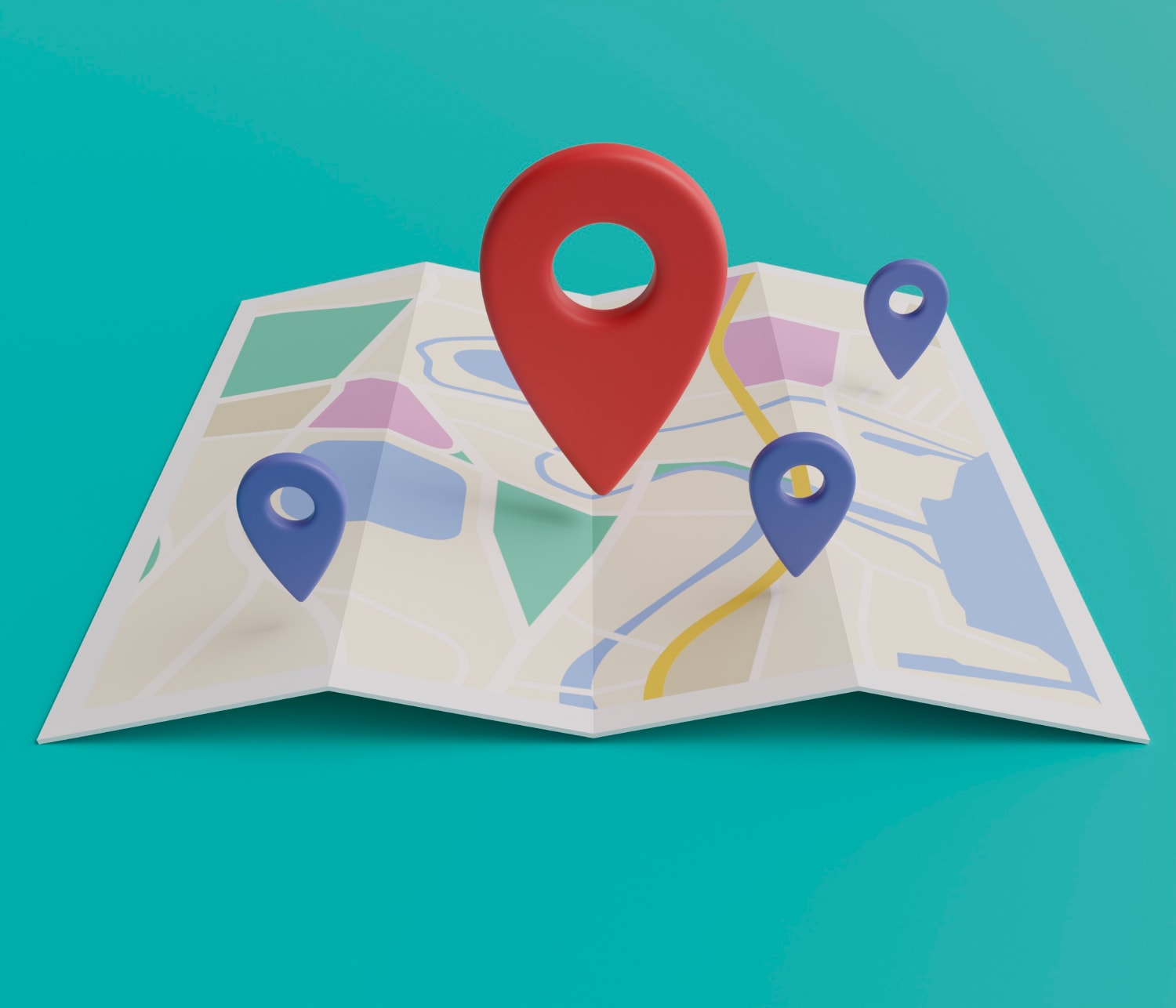
The Illusion of Near: When “Minutes Away” Means an Hour in Traffic
You strap yourself into your car at 7:00 AM, eager for that advertised 15-minute commute to Fort BGC, only to find yourself bumper-to-bumper 45 minutes later, still miles from the city limits.
This is the punchline, or, really, the tragedy of the misleading location claim in the real estate business. It stands as one of the most prevalent and exploitative forms of real estate deception perpetuated by some real estate agents and developers alike.
We all know the question that perfectly captures this feeling of betrayal:
Sabi nila, near BGC daw — pero bakit parang one hour away?
Look, the developer is selling you a fantasy. They’re using ambiguous terms like “near,” “accessible,” or “minutes away” to exploit your desire for convenience. This predatory practice is designed purely to inflate property value. And if you’re a serious buyer, you’re often falling prey to this tactic, which shouldn’t be happening in an industry that promises stability. This fundamental lack of transparency erodes trust, not just in many agents, but in the entire industry’s reputation.
The Cost of Exaggerated Proximity
When developers engage in exaggerated proximity claims, they are banking on the buyer’s reluctance to do their homework. They measure the distance “as the crow flies,” ignoring the reality of traffic flow, public transport delays, and infrastructure bottlenecks.
This is where the financial and ethical cost truly hits home.
The Developer’s Playbook
Developers, and sometimes agents, deploy specific tactics to make a property look more attractive than it is. It’s not always malicious, but it’s definitely manipulative:
- The “Ideal” Scenario: Citing travel times only during the dead of night (2:00 AM) and calling that the “peak efficiency” time.
- The Ignored Obstacle: Failing to mention the one crucial choke point—the single bridge, the perpetually busy intersection—that adds 30 minutes to every trip.
- The Omission: Focusing only on proximity to future amenities that haven’t even broken ground yet.
And this leads to the critical financial consequence that we cannot ignore:
Pag hindi mo na-check, magbabayad ka ng city price sa lugar na malayo pa sa convenience.
Think about it this way: You’re paying a premium, the “city price”, for guaranteed convenience and accessibility. That premium covers the high-density area, the easy commute, and the ready access to business and leisure. But when the property turns out to be an hour away, you’ve simply overpaid for inconvenience and isolation. That’s wasted equity, emotional drain, and diminished quality of life.
Accountability and Industry Standards
This is more than just bad luck; it’s an ethical failure. Real estate transactions should be built on honesty and transparency.
While the majority of agents are honest, those bad actors who prioritize a quick sale over accurate information face serious consequences. Agencies are increasingly holding them accountable, with potential outcomes like:
| Deceptive Practice Result | Agent Accountability | Buyer Outcome |
|---|---|---|
| Inflated Property Value | Fines and Disciplinary Action | Overpaying for the property (Buyer’s Loss) |
| Eroded Client Trust | Permanent Reputation Damage | Lengthy, Frustrating House Hunting Process |
| Systemic Dishonesty | Loss of License | Undermined Confidence in the Market |
The key takeaway for buyers is this: The problem isn’t that the property is far; the problem is that you paid a near price for a far location.
The Relationship Analogy: Falling for the “Near Commitment” Lie
This problem extends deeply into real estate transactions, where buyers invest their most valuable assets: money, time, and trust based on enticing but often misleading promises.
Perceived Proximity vs. Actual Distance
In real estate, proximity is not just about physical distance; it’s about accessibility, convenience, and realistic travel times.
Buyers are drawn to properties advertised as being “near key locations”—promising easy commutes and lifestyle benefits. The marketing materials often include statements like “just minutes away from the city center” or “close to major transport hubs.”
But the crucial question remains: Is this a genuine claim or an exaggerated proximity lie?
The “Far-Off” Property Reality
This is where the discrepancy becomes clear. A property may be marketed as close, but in reality, it is effectively “one hour away” due to traffic congestion, poor infrastructure, or indirect routes:
- Underestimated Commute Times: Advertised travel times are based on off-peak hours or ideal conditions, not the daily reality.
- Omitted Obstacles: Key bottlenecks like busy intersections or limited public transport options are ignored.
- Future Amenities That Don’t Exist: Promises of nearby malls, schools, or transit lines that are still in planning stages.
This puts buyers in a difficult position. They pay a premium price expecting convenience and accessibility, but instead face inconvenience and isolation—long commutes, wasted time, and reduced quality of life. The financial and emotional toll is significant: lost productivity, increased transportation costs, and frustration.
Understanding this dynamic is key to protecting yourself in the real estate market. Don’t fall for the “near commitment” lie in property advertising. Demand transparency, verify distances and commute times, and make informed decisions based on real-world conditions rather than marketing hype.
Legal Framework and Violations
In the Philippines, misleading location claims in real estate are regulated by laws such as Presidential Decree (PD) No. 957 and the Civil Code of the Philippines. The law provides both civil and criminal remedies for victims and emphasizes the importance of buyers performing due diligence.
Misleading location claims happen when sellers, whether they are developers, brokers, or agents, give false information about where a property really is, how close it is to important places, or its boundaries. This kind of trickery breaks the law:
- P.D. No. 957 (The Subdivision and Condominium Buyer’s Protective Decree): This law protects buyers from dishonest real estate practices, including lying about properties. The Housing and Land Use Regulatory Board (HLURB), now called the Department of Human Settlements and Urban Development (DHSUD), is the government agency that oversees real estate and handles complaints against sellers.
- Articles 1338 (Fraud) and 1330-1344 (Misrepresentation) of the Civil Code: These laws say that if a contract was made because of lies or false information, it can be canceled, and the person who was tricked can ask for compensation.
Remedies for Buyers
Buyers who have been victims of misleading location claims can pursue several legal remedies:
- Annulment of Contract/Damages: A buyer can file a civil action to have the contract of sale declared void (annulled) and to claim damages suffered due to the fraud.
- Administrative Complaints: Buyers can file a verified complaint with the DHSUD against the developer or agent, which can lead to the revocation of the seller’s license to sell or the imposition of fines.
- Criminal Complaints: The aggrieved party may file a criminal complaint for estafa (fraud) or falsification of public documents (if applicable) with the Office of the Prosecutor, which can result in imprisonment and fines for the guilty parties.
Buyer Due Diligence
The Philippine Supreme Court emphasizes that “good faith requires diligence” and buyers must take active steps to verify property details. Key steps to avoid falling victim to location fraud include:
- Verify the Title: Obtain a certified true copy of the Transfer Certificate of Title (TCT) or Original Certificate of Title (OCT) from the local Registry of Deeds (RD) to confirm the actual details, status, and technical description of the property.
- Check Tax Declarations: Verify the property’s location and boundaries with the local Assessor’s Office and check for up-to-date real property tax payments.
- Conduct Ocular Inspection: Personally inspect the physical property and its surroundings. Inquire with neighbors or occupants about any existing disputes or actual ownership.
- Consult Professionals: Engage a licensed real estate broker or a legal professional to assist with transactions and verify all documentation.
By following these procedures, buyers can protect themselves and ensure the legitimacy of real estate transactions and the quality of service in the Philippines.
The Solution: Verification and Action Over Assertion
Whether it’s property or partnership, you have to stop trusting the brochure. You must become a relentless verifier.
Real Estate Verification: The Google Maps Test
When buying property, the solution is simple, definitive, and MANDATORY: Do not trust the brochure.
Always verify travel time through Google Maps or visit the site yourself.
Practical Steps for Due Diligence:
- Test during Peak Hour: Check the drive/commute time at 7:30 AM on a Monday and 6:00 PM on a Friday. This is your true measure of proximity.
- Use Multiple Sources: Check Waze, Google Maps, and a physical drive. If the listing claims “10 minutes,” and the map says “35-60 minutes,” the misleading location claim is proven.
- Physically Drive the Route: There is no substitute for the site visit. You need to feel the traffic, see the condition of the road, and note the true distance from the amenities you care about.
Relationship Verification: The “Show Me the Actions” Test
The same relentless focus on reality applies to love. Your core principle must be: Observe consistency, reliability, and effort over assertion and sweet words.
- The Site Visit: Examine their behavior when life is inconvenient or stressful. Do they show up consistently? Do they offer support, or do they retreat?
- The Red Flag Commute: How much effort—how much traffic—is required for them to meet basic emotional needs? If it takes a massive fight just to get them to agree to a plan, that significant effort proves they are not “near” ready. If you feel like you are constantly navigating an hour-long traffic jam just to get a simple emotional return, they are emotionally too far.
- The Evidence Table: Track their behavior against their claims.
Insist on Reality
We’ve invested too much time and money—in housing, in love—to settle for a promise that doesn’t hold up. The risk we face is always mistaking potential for proximity. We pay a premium for what we hope to get, not what we actually receive.
Whether it’s a property or a partner, you deserve an investment that matches the price you are paying. Always prioritize verifiable evidence over appealing claims. Be ruthless in your verification.
Remember the ultimate lesson of the misleading location claim. It is the single most powerful principle to guide your future investments, both financial and emotional:
Walang ‘near’ sa brochure kung malayo sa realidad.
Don’t buy the brochure. Buy the reality.
Don’t believe everything in the brochure! In real estate, just as in relationships, exaggerated proximity claims can lead to disappointment. A property claiming to be “5 minutes from the CBD” may actually be a 30-minute commute in traffic. This practice mirrors the false promises often made in early love—a claim of closeness that isn’t backed by reality. Always verify distances, check travel times during peak hours, and demand concrete data to ensure the property’s location truly meets your lifestyle and professional needs.
HousingInteractive: Verifying the Promise of Location
We believe that integrity demands accurate representation. Our commitment is to eliminate misleading claims by providing verified data and realistic assessments of property locations and travel times.
HousingInteractive, the Philippines’ first property portal, delivers property solutions based on verified facts, not false promises. Trust our expertise and the reliability of our company to find the location that truly fits your needs. Start your verified search today!
| Welcome to a cautionary perspective in HousingInteractive’s series, where we explore love and relationships through the lens of real estate. This approach reveals the often-overlooked risks of making commitments by drawing surprising parallels between the complexities of the property market and the journey of love and long-term relationships. Next: The Pre-Selling Trap |