
















The Myth of the “Safe” Wait
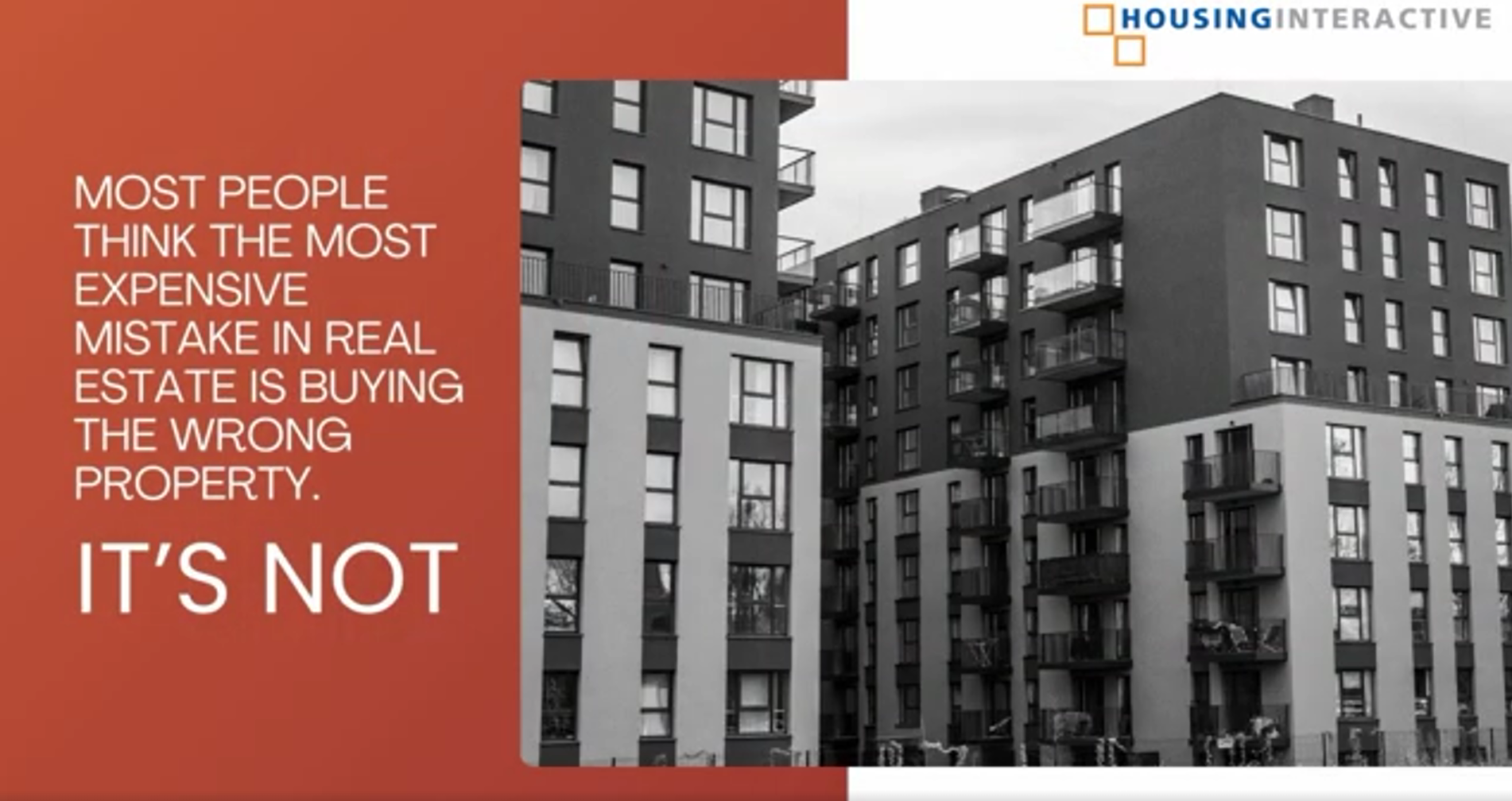
Most people believe the biggest mistake in real estate is choosing the wrong property. We spend months, sometimes years, scouring listings and comparing floor plans to avoid a “bad” investment.
But what if the real cost isn’t a bad decision? What if the most expensive mistake you can make is not decide at all?
In a recent conversation, HousingInteractive CEO Sheila Viesca unpacked a concept many buyers overlook: the hidden cost of waiting. It is a phenomenon where overthinking and fear masquerade as “being careful.”
Why “Doing Nothing” Still Costs You
When you choose to wait, you aren’t actually hitting a pause button on your finances. The market continues to move, inflation rises, and property values shift.
- Shrinking Purchasing Power: The longer you wait, the more your savings may erode against rising home prices.
- The Perfection Trap: Searching for the “perfect timing” is often a recipe for missing out on great opportunities.
- Opportunity Costs: You aren’t just missing a house; you’re missing out on the equity that house would have built.
Clarity Over Pressure
At HousingInteractive, we don’t believe in rushing people into one of the biggest purchases of their lives. We believe in helping them think clearly and plan wisely.
This discussion isn’t about hype or sales tactics. It is about a perspective shift: understanding that
Indecision is a decision.
—and it’s often the most expensive one you’ll ever make.
Let’s Talk About the “Perfect Time” and Managing Buyers
Many people stay on the sidelines because they don’t have a system to categorize their goals. They wait for a “sign” from the market rather than looking at their own data. Real estate success requires moving away from guesswork and toward a structured understanding of buyer behavior.
Motivated vs. Cautious Buyers
To build a pipeline that actually converts and closes deals, you’ve got to know which lane you’re in. Getting this difference right is key to shaping your strategy and managing your time wisely.
- The Motivated Buyer: These individuals have a clear “why”; perhaps a growing family or a job relocation. They understand that waiting is not an option because their needs are immediate.
- The Cautious Buyer: These investors look for the “perfect” deal. While strategic, they often fall into the trap of over-analysis, leading to expensive indecision costs.
Implementing a Two-Lane Marketing System
Effective buyer management involves creating a system that manages these different psychological profiles. You cannot treat a motivated buyer the same way you treat a cautious one.
- The Fast Lane (Motivated): Focus on immediate inventory and speed. Since these buyers are ready to move, the goal is to provide clarity and reduce friction.
- The Nurture Lane (Cautious): These buyers need data. To minimize their indecision, you must consistently provide market insights that prove that “waiting” is costing them more than a slight price fluctuation would save them.
Prioritizing Traits Over Trends
Understanding specific buyer traits is essential to prioritizing your efforts. When you identify the signs of “analysis paralysis” early, you can intervene with logic and strategic thinking.
Strategic thinking always beats emotional hesitation. By categorizing buyers and using a systemized approach, we remove the “noise” of the market. This allows buyers to move forward with the confidence that they aren’t just buying a house: they are securing their future.
Why Indecision Is Costlier Than a Wrong Decision
In the world of real estate investing, many people are paralyzed by the fear of making a mistake. However, the numbers tell a different story. Indecision often costs significantly more than making a wrong decision because it wastes three finite resources: time, money, and opportunity.
1. The Risk of Stagnation vs. The Risk of a Mistake
A wrong decision, like buying a property that requires more repair than expected, is a problem you can solve. You can renovate, you can flip, or you can pivot your strategy. But you cannot “fix” five years of missed market appreciation.
- Costly Mistakes Can Be Corrected: A bad deal provides data and an asset that can be managed.
- Indecision is Absolute: While you wait for “perfect data,” inflation erodes your capital, and interest rates may climb, permanently lowering your ceiling of affordability.
2. Scaling with Intention
Successful investors don’t succeed because they never make mistakes; they succeed because they scale with intention. This means having solid systems and a strategy that allows for movement even when the market feels uncertain.
- Intentional Scaling: Moving forward based on a proven system rather than a “gut feeling.”
- The Deliberate Exit: If a deal isn’t performing, successful investors exit deliberately to reinvest in better opportunities. They don’t linger in a state of “maybe.”
3. Commitment Over Comfort
The search for “perfect data” is often just a mask for the fear of being uncomfortable. To build a career or a portfolio in real estate, you must commit to a path and be willing to adjust your sails as you go.
- Clarity Creates Momentum: Action generates the very clarity you were looking for while sitting still.
- The Hidden Cost of Inefficiency: Trying to make everyone comfortable or waiting for a 100% guarantee leads to stagnation. In a world where property values don’t pause, standing still is the most expensive move you can make.
| Key Takeaway: A wrong decision might cost you a percentage of your profit, but indecision can cost you the entire opportunity to enter the market. |
The Equity Gap: Understanding the Hidden Cost of Inefficiency
The “cost of waiting” isn’t just about rising house prices; it’s about the cost of inefficiency. In real estate investing, having a slow or broken process is a silent tax on your future wealth. When your decision-making or buying systems are inefficient, you aren’t just losing time; you are losing potential deals and revenue.
How Inefficiency Steals Opportunity
If you are operating without a clear strategy, you likely spend hours on “low-value” activities, like scrolling through listings that don’t fit your criteria or debating market trends that don’t impact your goals.
- Wasted Capital: Money sitting in a low-interest savings account while you “wait” is capital that isn’t working for you.
- Lost Deals: In a competitive market, an inefficient decision-making process means someone else will sign the contract while you are still “thinking about it.”
- The Strategy Gap: Without an efficient system, you cannot scale. You become a “one-deal wonder” instead of a consistent investor.
Minimizing Waste Through Market Clarity
To minimize these hidden costs, you must understand two things: the current market climate and the specific needs of your buyers (or your own long-term needs). Effective strategies aren’t built on guesswork; they are built on high-value activities that move the needle.
- Prioritize High-Value Actions: Focus on viewing properties, securing financing, and making offers rather than endless “market research.”
- Targeted Strategies: Create a “buy box” with specific criteria so you can say “yes” or “no” in minutes, not weeks.
Optimizing Your Real Estate Systems
Implementing efficient processes allows you to move with confidence. But the work doesn’t stop once a system is in place. You must regularly review and optimize your approach to identify where time or money is leaking.
- Audit Your Time: How much time are you spending on productive tasks versus “analysis paralysis”?
- Refine Your Pipeline: Are you looking at the right properties in the right neighborhoods?
- Automate Decisions: Use pre-defined financial benchmarks (like a target ROI or price-to-rent ratio) to remove emotional hesitation.
| The Insight: Efficiency is the bridge between a dream and a deed. By reducing the hidden cost of inefficiency, you ensure that when the right opportunity arrives, you are ready to seize it without hesitation. |
Strategic Thinking vs. Emotional Hesitation: Effective Strategies for Real Estate Investing
In our conversation with HousingInteractive CEO Sheila Viesca, the message was clear:
Property values don’t pause, and life doesn’t hold your spot.
To move forward, you must replace emotional hesitation with effective real estate strategies that prioritize action over perfection.
Building a Strategy Based on Clarity
Real estate investing is often treated as a game of luck, but for the successful, it is a game of systems. Effective strategies involve a deep understanding of the market and the specific needs of your buyers and their families.
- Clarity Over Hype: Don’t buy because of “FOMO” (fear of missing out); buy because the property meets your pre-defined financial criteria.
- The Action Bias: In a world of overthinkers, the person who takes calculated action builds the most wealth. Action creates the momentum that “waiting” destroys.
Scaling Through Solid Systems
If you want to move beyond your first property and truly build wealth, you need a scalable system. This removes the guesswork and helps you stay focused on high-value activities rather than getting bogged down in administrative or emotional noise.
- Standard Operating Procedures (SOPs): Have a checklist for property inspection, financial vetting, and offer submission.
- Focus on the “Big Wins”: Spend your energy negotiating deals and analyzing high-potential areas rather than worrying about minor market fluctuations.
Minimizing Indecision to Maximize Returns
Every day spent in a state of “maybe” is a day you are paying the “indecision tax.” By prioritizing decision-making, you minimize waste and maximize your potential returns.
- Set “Drop-Dead” Dates: Give yourself a firm deadline to decide on a property.
- Define Your Exit: Knowing your exit strategy before you buy reduces the fear of the “wrong” decision.
- Efficiency is Profit: Implementing efficient systems helps you reduce the hidden cost of inefficiency, ensuring your capital is always working for you.
Constant Optimization: Staying Ahead of the Competition
The real estate market is dynamic, which means your strategy shouldn’t be static. Regularly reviewing and optimizing your processes allows you to identify areas for improvement and adapt to changing interest rates or inventory levels.
By staying lean and responsive, you ensure that you are always moving toward your goals while others are still “thinking about it.”
The Most Expensive Home is the One You Didn’t Buy
As we’ve explored, the hidden cost of waiting is a combination of lost equity, rising prices, and the erosion of time. Sheila Viesca’s insight reminds us that clarity—not perfect timing—is the key to real estate success.
Indecision is a silent drain on your financial future. Whether you are a first-time buyer or a seasoned investor, the best time to act was yesterday; the second-best time is today.
Are you ready to stop “thinking about it” and start building equity?
HousingInteractive: Turning Hesitation into Homeownership
We believe that the cost of missed opportunity is the highest price you can pay in real estate. As the pioneer property portal in the Philippines, we provide the market clarity and vetted listings you need to move past indecision and secure your financial future with confidence.
HousingInteractive, the Philippines’ first property portal, delivers property solutions that help you capture value before it climbs. Don’t let your dream home become a “what if”—start building your equity and explore our premier listings today!