


















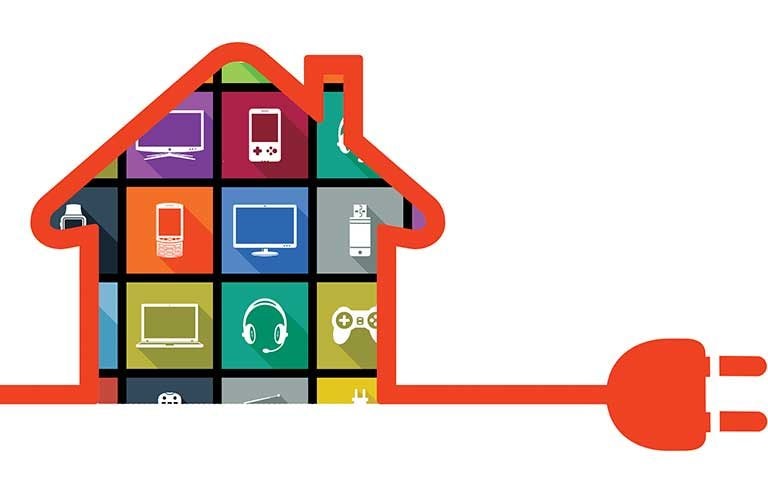
Electricity powers almost every aspect of our daily lives, from lighting our homes to running essential appliances and devices. However, electrical safety is not something to be taken lightly or considered optional. Despite its indispensable role, electricity remains one of the leading causes of home fires, injuries, and even fatalities.
Why Electrical Safety Can’t Be “Optional”
The Bureau of Fire Protection – National Capital Region (BFP–NCR) released the Comparative Fire Incident Report for 2024–2025, showing a 2.94% drop in fire incidents in 2025 compared to the previous year. This decrease highlights the success of ongoing fire prevention efforts, stronger education campaigns, more thorough inspections, and better teamwork with local government units and partners.
The report also lists the top three causes of fires in 2025:
- Electrical Connections – 2,178 cases (61.09%)
- Smoking (lighted cigarette, cigar, or pipe) – 384 cases (10.77%)
- Open Flame from Cooking (LPG/gas stove, firewood)—213 cases (5.97%)
This important fact highlights why it is crucial for every home to understand and practice electrical safety measures.
The Reality Check: Electricity’s Hidden Dangers
Many homeowners underestimate the risks associated with everyday electrical use. Faulty electrical wiring, damaged electrical components, overloaded circuits, and improper use of extension cords or multiple extension cords can all create hazardous conditions. The human body is a conductor of electricity, meaning that accidental contact with live wires or faulty equipment can result in electric shock, which ranges from mild muscle contractions to severe injury or even death. Additionally, improper grounding of electrical systems can cause a dangerous build-up of electrical charges, increasing the risk of shock or fire.
Key Electrical Hazards Include:
- Exposed wires and damaged insulation
- Overloaded circuits and outlets
- Use of damaged or inappropriate electrical tools and appliances
- Working with electricity in wet conditions or with wet hands
- Failure to use personal protective equipment (PPE)
- Proximity to overhead power lines without proper clearance
Why Tropical Weather and Heavy Rains Make Electrical Checks Urgent
In regions prone to tropical weather, heavy rains, and high humidity, the risk of electrical hazards increases significantly. Moisture and water are excellent conductors of electricity and can exacerbate problems such as damaged insulation, short circuits, and arc flash incidents. Water intrusion into electrical systems can cause corrosion, degrade electrical wiring, and create fire hazards.
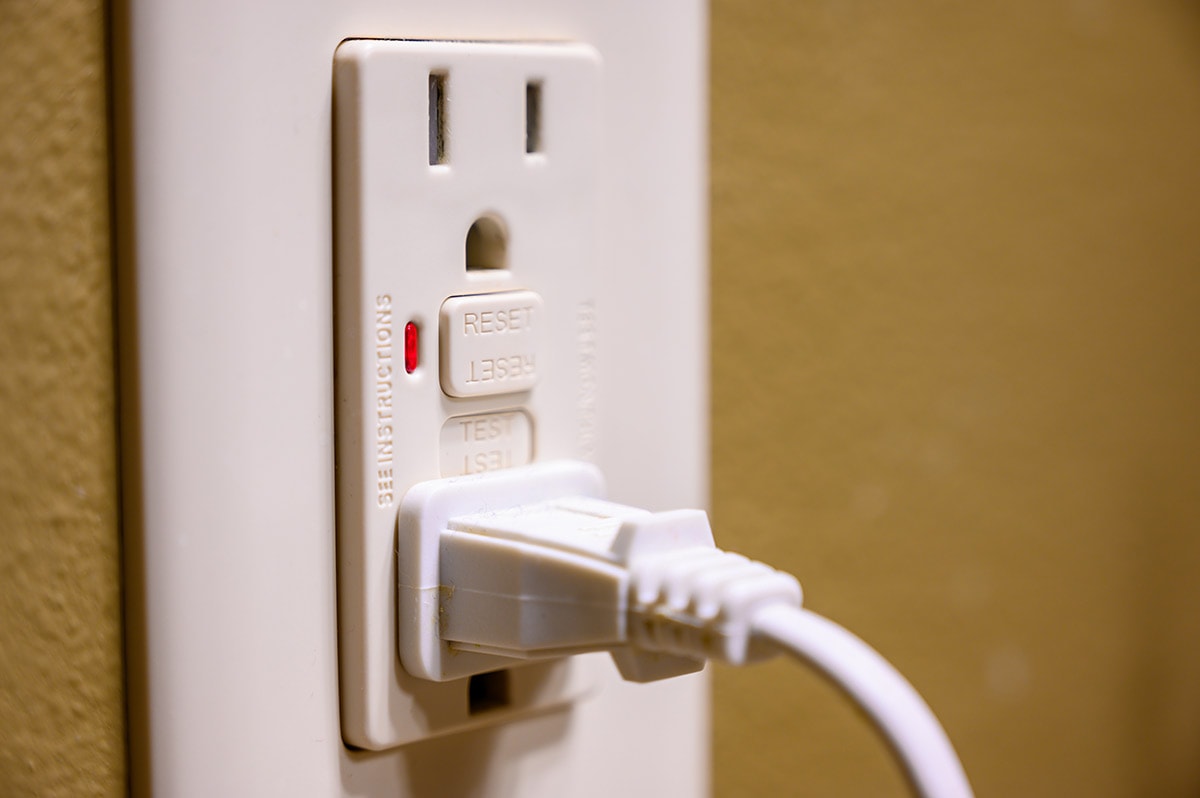
During the rainy season, homeowners should be particularly vigilant in inspecting wall outlets, light fixtures, and outdoor electrical equipment for signs of moisture damage or corrosion. Installing ground fault circuit interrupters (GFCIs) in areas prone to moisture, such as kitchens, bathrooms, and outdoor spaces, is vital for preventing electric shock. GFCIs quickly cut off power when they detect an imbalance in electrical current, significantly reducing the risk of injury.
Safety as a Strategy to Protect Your Family and Investment
Electrical safety is far more than a checklist: it is a comprehensive strategy to safeguard your home, family, and valuable electrical products. Adhering to recommended electrical safety tips and regulations helps prevent costly damages, serious injuries, and potential fatalities. It also ensures that your home’s electrical system operates efficiently and reliably.
Essential Safety Strategies Include:
- Regular Inspections: Schedule periodic inspections by a qualified electrician to identify and rectify potential hazards before they escalate.
- Proper Use of Electrical Appliances: Always follow the manufacturer’s instructions when using appliances such as portable heaters, hair dryers, and kitchen appliances. Avoid plugging multiple high-wattage devices into a single outlet or extension cord to prevent overload.
- Avoiding Tripping Hazards: Keep electrical cords organized and away from high-traffic areas to prevent falls and damage to cords.
- Use of Appropriate PPE: When performing any electrical work, wear suitable personal protective equipment such as insulated gloves and safety glasses.
- Emergency Preparedness: Know how to respond in an electrical emergency—locate your circuit breaker, understand how to shut off power safely, and keep emergency contact numbers accessible.
By embedding these practices into your daily routine, you create a safer environment that protects both the people living in your home and the electrical systems that power it.
Understanding Electrical Hazards
Electrical hazards pose serious risks, including injury or death. Key dangers include exposed wiring, damaged cables, overloaded circuits, and improper use of electrical equipment like power tools and kitchen appliances. Following manufacturer instructions and safety precautions is essential. Careful handling of overhead power lines and power cords helps maintain safe distances and prevent contact. Electrical faults and short circuits often cause fires and injuries, so prompt identification and repair are crucial. Even low-voltage equipment can be dangerous if not managed properly, emphasizing the need for vigilance with all electrical systems.
1. The Golden Rule: Water and Wires
Electricity and water are a dangerous combination that homeowners must understand thoroughly to avoid severe injury or even death. The science behind the danger of water and electricity is explained here, highlighting the vulnerabilities of outdoor electrical systems and providing a detailed guide on how to conduct a “moisture audit” to identify water intrusion in your home’s electrical infrastructure.
a. The Science of Danger: Why Rainwater and Electricity Don’t Mix
Water is an excellent conductor of electricity, meaning it allows electric current to flow through it with minimal resistance. When electrical wiring or components come into contact with water, it creates a pathway for electricity to travel outside its intended circuit. This can lead to electric shock, short circuits, or even electrical fires. The risk is heightened during heavy rains or in areas with high humidity, where moisture can seep into cracks, damaged insulation, or unsealed electrical fixtures.
To understand how serious this is, consider these facts:
- The human body can conduct electricity. When the skin is wet, its resistance drops a lot, making an electric shock more likely.
- Even low-voltage electricity can cause muscle spasms or affect the heart’s rhythm, which can be deadly.
- Water getting into electrical parts can cause rust and damage, increasing the chance of equipment breaking down.
That’s why it is crucial to ensure all electrical installations are properly sealed, insulated, and safeguarded against moisture intrusion.
b. Outdoor Vulnerabilities: Protecting External Electrical Systems
Outdoor electrical installations such as garden lights, gate motors, patio outlets, and irrigation systems are particularly susceptible to water damage. These systems are exposed to the elements and must be designed and maintained with weatherproofing in mind.
Key vulnerabilities include:
- Non-weatherproof outlets and fixtures: Standard outlets without proper covers or enclosures can allow water ingress.
- Damaged insulation or cracked casings: Over time, exposure to sunlight and weather can degrade insulation, creating exposure points.
- Improper grounding: Outdoor systems require proper grounding to safely dissipate stray electrical currents, especially in wet conditions.
- Accumulation of standing water: Poor drainage around outdoor electrical equipment can cause water pooling, increasing the risk of electrical hazards.
To mitigate these risks, homeowners should:
- Install ground fault circuit interrupters (GFCIs) on all outdoor outlets to detect an imbalance in electric current and shut off power quickly.
- Use weather-resistant covers and enclosures rated for outdoor use.
- Schedule regular inspections to check for damaged or exposed wiring and replace or repair as needed.
- Ensure proper drainage around electrical equipment to prevent water accumulation.
c. The Moisture Audit: Detecting Water Ingress After Heavy Rainfall
Conducting a moisture audit is a proactive step homeowners can take to identify early signs of water ingress that could compromise electrical safety. This process involves a systematic inspection of areas prone to moisture exposure, especially after heavy downpours or during humid seasons.
Steps to perform a moisture audit include:
- Visual Inspection of Sockets and Switches. Look for discoloration, rust, or corrosion on outlet covers and switch plates. Signs of water stains or peeling paint around these areas may indicate moisture penetration.
- Checking Walls and Baseboards. Inspect walls near electrical installations for dampness, bubbling paint, or mold growth, which can signal hidden water leaks.
- Testing Outlets for Moisture. Using a moisture meter or a non-contact voltage tester, check for unusual electrical activity or moisture presence inside outlets.
- Examining Outdoor Fixtures and Wiring. After storms, inspect outdoor lights, outlets, and wiring for water accumulation, rust, or damage.
- Listening for Electrical Buzzing or Tripping Breakers. Unusual sounds or frequent breaker trips can be indicators of moisture-related electrical faults.
Regularly performing a moisture audit helps prevent electrical hazards before they escalate into serious issues such as fires, electric shock, or costly equipment damage.
Understanding the lethal synergy between water and electricity is fundamental to home electrical safety. By recognizing the science behind the hazard, safeguarding outdoor electrical systems against moisture, and conducting regular moisture audits, homeowners can significantly reduce the risk of electrical accidents. Incorporating these practices aligns with the broader strategy of electrical safety to protect your home, family, and valuable electrical products from potential dangers related to water exposure.
2. Interior Safety Checklist: What to Look For
Ensuring the safety of your home’s electrical system starts with regular and thorough inspections of your interior electrical components. Homeowners should be vigilant in identifying early warning signs of electrical issues to prevent potentially dangerous situations such as fires, electric shocks, or costly repairs. Below is an in-depth guide to critical aspects of interior electrical safety, with detailed explanations and actionable tips.
a. The Outlet Inspection: Identifying Potential Hazards
Outlets are one of the most frequently used electrical components in any home and can be a common source of electrical hazards if not properly maintained. When inspecting outlets, consider the following key indicators:
| Are faceplates warm to the touch? | Warm or hot outlet faceplates often indicate an overloaded circuit or loose wiring connections. This heat buildup can degrade insulation and increase the risk of electrical fires. |
| Do you see any discoloration or “scorch” marks? | Discoloration, darkening, or scorch marks around outlets or switches are clear signs of arcing or overheating. These marks suggest that the electrical connections may be compromised, which can lead to short circuits or fire hazards if not addressed promptly. |
| Check for loose or damaged outlets | Loose outlets can cause poor connections, leading to arcing and sparking. Inspect outlets for any signs of physical damage, cracks, or looseness, and replace or repair them as needed. |
Regular outlet inspection tips:
- Use a non-contact voltage tester to check if outlets are live before handling.
- Avoid overloading outlets with multiple high-wattage devices.
- Ensure outlets in moisture-prone areas have Ground Fault Circuit Interrupters (GFCIs) installed.
b. The Flickering Light Mystery: What It Really Means
Flickering lights are often dismissed as minor annoyances, but they can signal serious electrical issues that require immediate attention. Understanding the underlying causes can help prevent electrical hazards.
| Circuit Overload or Loose Wiring: | Flickering can indicate that a circuit is overloaded or that wiring connections are loose or deteriorating. Loose connections can cause intermittent contact, leading to flickering and potential arcing. |
| Faulty Light Fixtures or Bulbs: | Sometimes, flickering is caused by faulty bulbs or light fixtures, but if replacing the bulb does not resolve the issue, further electrical inspection is warranted. |
| Voltage Fluctuations: | Significant voltage fluctuations in the electrical system, possibly caused by large appliances cycling on and off, can cause lights to flicker. Persistent voltage fluctuations may damage sensitive electrical equipment and increase fire risk. |
| Potential for Electrical Fires: | BFP warns that electrical fires often start due to faulty wiring or overloaded circuits, both of which can manifest as flickering lights. |
Recommended actions:
- If flickering is localized to one fixture, inspect or replace the bulb and fixture.
- For widespread flickering, consult a qualified electrician to inspect wiring and circuit load.
- Avoid using multiple high-wattage appliances simultaneously on the same circuit.
c. The Extension Cord Trap: Avoiding Dangerous Practices
Extension cords are convenient but can become major fire hazards when misused. A common dangerous practice is “daisy-chaining,” or plugging multiple extension cords together, which significantly increases electrical risks.
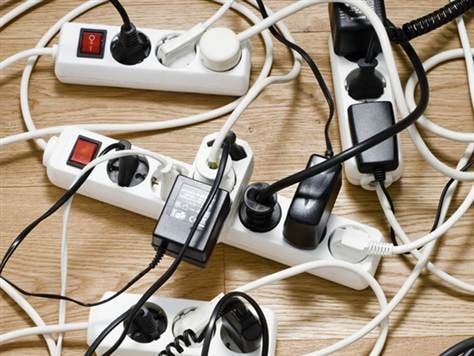
- Why Daisy-Chaining is Hazardous:
Daisy-chaining can cause excessive current flow through cords not designed for such loads, leading to overheating, melting insulation, and potentially fires. - Overloading Extension Cords:
Using extension cords to power high-wattage appliances or multiple devices from a single outlet can overload the cord and circuit, creating fire hazards. - Use of Damaged or Inappropriate Cords:
Extension cords with damaged insulation, exposed wires, or those not rated for the intended electrical load pose serious risks.
Safe Use Guidelines for Extension Cords:
- Use extension cords only as a temporary solution, not as permanent wiring.
- Choose cords rated for the electrical load (check the cord’s gauge and amperage rating).
- Never plug one extension cord into another (no daisy-chaining).
- Inspect cords regularly for damage; replace immediately if any defects are found.
- Avoid running cords under carpets or through doorways where they can be damaged or cause tripping hazards.
By paying close attention to these interior electrical safety indicators and adhering to recommended practices, homeowners can significantly reduce the risk of electrical injuries, fires, and costly repairs, ensuring a safer living environment for all occupants.
Tenant & Landlord Responsibilities: Working Together for Electrical Safety
Maintaining electrical safety in rental properties is a shared responsibility between tenants and landlords. Both must actively contribute to creating a safe environment by understanding their roles and communicating effectively.
A. Tenant Responsibilities: Stay Alert and Report Issues
Tenants play a crucial role by regularly checking electrical outlets, switches, and cords for signs of damage or unusual behavior, such as buzzing sounds or flickering lights. Promptly reporting any electrical problems to the landlord helps prevent accidents like electric shocks or fires. Tenants should avoid overloading outlets, refrain from unauthorized repairs, and use appliances according to manufacturer instructions to reduce risks.
B. Landlord Responsibilities: Ensure Compliance and Maintenance
Landlords are legally obligated to maintain safe electrical systems that comply with building codes and safety standards. This includes scheduling annual inspections by qualified electricians, upgrading outdated or faulty components, installing safety devices like ground fault circuit interrupters (GFCIs) in moisture-prone areas, and keeping detailed records of all maintenance and repairs. Educating tenants about electrical safety and emergency procedures is also vital.
By fulfilling their respective duties and maintaining open communication, tenants and landlords can effectively manage electrical safety, protect residents, and preserve property value.
Communication is Key: Documenting and Resolving Electrical Concerns
Effective communication between tenants and landlords is essential to address electrical safety issues promptly and efficiently. Clear documentation ensures that concerns are acknowledged and resolved promptly, preventing escalation into serious hazards.
Best practices for communication include:
| Action | Purpose |
|---|---|
| Written Notification | Tenants should report electrical issues in writing (email or letter) to create a record. |
| Acknowledgment | Landlords should promptly acknowledge receipt and outline the plan for inspection or repair. |
| Professional Assessment | Arrange for a qualified electrician to evaluate the problem and recommend solutions. |
| Repair and Follow-Up | Complete repairs promptly and inform tenants of the actions taken. |
| Documentation | Maintain records of all communications, inspections, and repairs for future reference. |
By following this structured approach, both parties can ensure accountability and maintain a safe electrical environment.
Electrical safety in rental properties requires active cooperation between tenants and landlords. Tenants should promptly recognize and report any electrical issues, while landlords must ensure regular inspections and maintenance to uphold safety standards. Clear and documented communication between both parties is crucial to effectively manage electrical hazards, safeguarding lives, property, and investments. This collaborative approach is key to fostering a safer living environment.
Electrical Safety is a Shared Responsibility
Electrical safety is an essential, non-negotiable aspect of home maintenance. Understanding the risks and seasonal factors and adopting a strategic approach to safety can significantly reduce the chances of electrical accidents in your home. This knowledge empowers homeowners and tenants alike to create a secure and hazard-free living environment.
HousingInteractive: Delivering Homes That Are Built to Last
Electrical safety is a shared responsibility. Protecting your family begins with staying proactive about the systems that power your daily life. Don’t wait for the next storm. Conduct a 10-minute walk-through of your home today using this checklist.
We believe that a true property solution starts with safety. As the pioneer property portal in the Philippines, we curate listings from reputable developers and owners who prioritize quality construction and rigorous safety standards, ensuring your peace of mind from the moment you plug in.
HousingInteractive, the Philippines’ first property portal, delivers property solutions that prioritize your family’s security. Invest in a home built on a foundation of safety—explore our verified, high-quality listings today!