


















The condo market often shows buyers brochures and virtual tours that create a picture very different from reality; this is called the “amenity illusion.” This gap between expectation and reality can leave buyers feeling let down and skeptical, which isn’t great for the reputation of developers and realtors. Understanding why this happens and what it means can help everyone have a clearer, more honest home-buying experience. Tech-savvy buyers spot these mismatches quickly, and serious buyers deserve straightforward, accurate information to make smart decisions.
The Psychology Behind the Brochure
Every condo buyer has probably felt excited when holding a shiny, colorful brochure that promises a luxurious lifestyle filled with great amenities and smart features. These brochures are crafted to captivate your attention and help you envision the lifestyle that awaits, showcasing beautiful photos and enticing descriptions that paint the condo as the ideal place to call home. Developers invest significant time and resources into creating these materials to make a powerful first impression and attract serious buyers ready to invest in their future property. However, it’s important to remember that these brochures are designed to sell a dream and may not fully reflect the day-to-day reality of living in the condo.
Amenities and Property Value
Amenities and property value are closely linked because they enhance your living experience and influence the market price of your condo. High-quality amenities such as gyms, pools, lounges, and smart home features not only make the property more appealing but can also boost its resale value. Conversely, poorly maintained or substandard amenities can detract from your enjoyment and decrease the unit’s market value. Therefore, it’s essential for buyers to carefully assess the quality, usability, and upkeep of amenities, as these factors impact both daily lifestyle and the long-term return on investment.
- Visual Appeal: Bright, warm lighting and vibrant colors create a welcoming atmosphere.
- Selective Imagery: Photos focus on the best angles, often excluding less attractive elements.
- Lifestyle Marketing: Brochures sell not just a property but an aspirational lifestyle.
The Reality Behind the Amenity Illusion
Many buyers find that their new condo feels quite different from what the brochure promised. This common frustration arises from a combination of marketing strategies and the realities of construction and development.
The common buyer frustration, often voiced, stems from a complex interplay of marketing tactics and construction realities:
Bakit parang iba ‘yung condo sa brochure kumpara sa actual?
The “amenity illusion” occurs when the glamorous images and virtual tours presented in marketing materials do not fully match the actual condo unit and its amenities. Developers often use advanced digital tools to enhance the appeal of their projects, but these enhancements can create unrealistic expectations.
1. Digital Enhancements and Visual Tricks
Marketing materials frequently employ digital renderings that use ideal lighting, remove imperfections, and adjust room proportions to make spaces appear larger and more inviting. Structural elements like pillars or ducts may be minimized or omitted entirely, and furniture is often scaled down or custom-sized to exaggerate spatial dimensions.
2. Lifestyle Marketing vs. Physical Reality
Brochures and virtual tours tend to emphasize the lifestyle that comes with the condo, highlighting community spaces, smart home features, and picturesque views, rather than focusing on the actual build quality or usable space. This focus on the “vibe” can lead buyers to overlook practical considerations such as storage, layout, and overall functionality.
3. Emotional and Financial Impact on Buyers
When the finished condo doesn’t live up to the polished brochure, buyers can feel misled and disappointed. This emotional letdown can erode trust in developers and realtors. Moreover, paying a premium price for amenities or space that don’t meet expectations can negatively affect the buyer’s investment value and return on investment (ROI). Unexpectedly high maintenance fees associated with upscale amenities can also add financial strain.
How to Manage Expectations
Understanding why condos often feel different from their brochures helps buyers approach the purchase with realistic expectations. By recognizing the marketing techniques involved and the practical limitations of construction, buyers can better prepare themselves for the realities of condo living.
The Impact on Buyers
At the heart of this discussion is the need for transparency and education. The Amenity Illusion is not merely a marketing gimmick but a systemic issue rooted in the complexities of development and sales. Buyers must learn to look beyond the virtual reality and augmented reality presentations and traditional brochures to assess the true value of a property.
This disparity can cause significant risk for buyers, leading to:
- Emotional Disappointment: Feeling misled can erode trust in developers and realtors.
- Financial Consequences: Overpaying for amenities or space that don’t meet expectations affects the value and potential return on investment (ROI).
- Maintenance Surprises: High-end amenities often come with elevated condo fees that buyers may not have anticipated.
Key Strategies for Buyers
- Request the Approved Building Plan: This is the legally binding blueprint that shows exact dimensions and features.
- Visit Model Homes Critically: Look beyond staged furniture and décor to assess actual space and construction quality.
- Research Developer Track Records: Past projects can reveal patterns in how amenities and promises hold up over time.
Developer and Realtor Responsibilities
Developers and realtors must provide accurate, clear information about amenities and costs, using high-quality virtual tours that truly reflect the property’s dimensions and features. It is essential to avoid vague language such as “subject to change,” which can mislead buyers. Transparency in marketing materials, including brochures, websites, and virtual tours, helps set realistic expectations and reduces buyer disappointment.
1. Transparency in Marketing Materials
Developers and realtors must ensure that all marketing materials, including brochures, websites, and virtual tours, present an honest and precise depiction of the condo’s amenities and features. This transparency helps set realistic expectations for prospective buyers and reduces the risk of disappointment.
2. Accurate Virtual and Augmented Reality Presentations
While virtual reality (VR) and augmented reality (AR) technologies offer immersive experiences, it is crucial that these tools accurately represent the actual dimensions and characteristics of the property. Developers should invest in creating high-quality, realistic virtual tours that avoid exaggeration or omission of important details.
3. Clear Communication of Costs and Fees
All associated costs, including maintenance fees, amenity usage charges, and any additional expenses, should be clearly communicated to buyers upfront. Avoiding ambiguous phrases like “subject to change” ensures buyers have a full understanding of their financial commitments.
4. Accountability and Ethical Practices
Developers and realtors bear the responsibility to act ethically by providing truthful information and promptly addressing any discrepancies between marketing materials and the finished product. This accountability builds trust and fosters long-term relationships with buyers.
5. Educating Buyers for Informed Decisions
Part of their role includes guiding buyers to critically evaluate marketing materials, encouraging them to visit model homes, review approved building plans, and research developer track records. By facilitating informed decision-making, developers and realtors help buyers avoid falling victim to the amenity illusion.
By acknowledging the amenity illusion and addressing it head-on, the industry can foster a healthier, more sustainable market where buyers feel confident, and developers maintain credibility.
How Renders Trick the Eye
Virtual and augmented reality tools, along with digitally enhanced marketing materials, have become indispensable in real estate marketing. However, these tools often employ sophisticated visual techniques that can unintentionally or deliberately mislead potential buyers. Understanding these “tricks of the trade” is essential for buyers to see beyond the surface and make informed decisions.
Huwag Kang Ma-fall sa Photoshop
The Lighting Trap: Creating Illusions with Golden Hour Glow
One of the most common techniques digital artists use is the manipulation of lighting to transform a space’s perception. Simulating the “golden hour”: the period shortly after sunrise or before sunset, renders rooms in warm, soft light that naturally enhances colors, textures, and spatial depth. This lighting effect makes even small or dimly lit spaces feel expansive, inviting, and full of life.
Key Points:
- Psychological Impact: Warm lighting triggers feelings of comfort and luxury, making buyers emotionally connect with the space.
- Visual Enhancement: Shadows are softened, imperfections minimized, and surfaces appear more vibrant.
- Common Usage: Developers often choose this lighting in brochures and virtual tours to highlight amenities or living areas.
The Scale Problem: Downsizing Furniture and Omitting Structural Elements
Another visual strategy involves tweaking the scale of objects and spaces within renders. Furniture is often custom-sized smaller than standard to make rooms appear larger and more open. Structural elements that might interrupt the flow or reduce usable space—such as pillars, ducts, or support beams—may be minimized or digitally removed altogether.
Examples and Implications:
| Visual Element | Common Render Practice | Buyer Impact |
|---|---|---|
| Pillars/Columns | Reduced or omitted | Underestimates spatial constraints |
| Furniture Size | Downsized or custom-fit | Misleading sense of room capacity |
| Ceiling Height | Slightly exaggerated | Rooms feel more spacious |
| Door and Window Sizes | Enlarged or repositioned | Overstates natural light and access |
This scale manipulation can create a “false sense of space,” leading buyers to expect a more generous layout than reality provides. For instance, a living room that appears to comfortably fit a large sectional sofa might only accommodate a smaller couch in reality.
The “Vibe” vs. The “Build”: Lifestyle Marketing vs. Physical Reality
Marketing materials often emphasize the lifestyle associated with a condo rather than its physical attributes. This approach sells an aspirational “vibe”: community amenities, smart home features, and scenic views that appeal to buyers’ emotions and desires.
What Buyers Should Know:
- Lifestyle Marketing: Focuses on how the space feels and the experiences it promises rather than exact specifications.
- Physical Build: Refers to the actual construction quality, usable space, and functional features of the unit.
| Case Study: According to the National Association of Realtors, 88% of home buyers rely on photos as the primary factor when deciding which homes to view. |
While lifestyle marketing is effective, it can overshadow important considerations like storage availability, soundproofing, or natural ventilation. Buyers must balance the emotional appeal with practical assessments.
Summary Table: Visual Tricks in Real Estate Renders
| Technique | Purpose | Buyer Caution |
|---|---|---|
| Golden Hour Lighting | Enhance warmth and space perception | Verify lighting conditions in person |
| Scale Manipulation | Make rooms appear larger | Measure actual room dimensions |
| Omission of Structures | Create open, unobstructed spaces | Inspect for pillars and ducts |
| Lifestyle Emphasis | Sell an aspirational way of life | Focus on physical features, too |
By recognizing these rendering techniques, prospective buyers can approach condo brochures and virtual tours with a critical eye. Requesting detailed floor plans, visiting model units, and asking pointed questions about scale and lighting can help bridge the gap between expectation and reality, ultimately protecting the buyer’s investment and satisfaction.
The High Cost of Falling for the Render
When buyers fall victim to the amenity illusion created by polished renders and glossy brochures, the consequences can be both emotional and financial. Understanding the real costs behind the gap between expectation and reality is crucial, helping prospective condo buyers grasp the stakes involved and make more informed decisions.
Expectation vs. Reality: Emotional and Financial Impact
Many buyers are drawn in by vibrant virtual tours and enhanced images, only to face disappointment when their new condo feels smaller, lacks promised features, or has less natural light. This gap often leads to emotional letdown, buyer’s remorse, and reduced trust in developers.
Financially, buyers may pay premium prices for amenities that are missing or inadequate, affecting their investment’s value and forcing extra expenses like external storage due to limited closet space.
The Value Gap: When Promised Amenities Turn into Disappointments
One of the most glaring examples of the amenity illusion is the value gap between what is promised in marketing materials and what is delivered. Consider a rooftop garden advertised as a lush, expansive green space—a key selling point that justifies a higher price. Upon completion, buyers may find a small concrete slab with two potted plants, a far cry from the vibrant communal area they expected.
This discrepancy not only diminishes the enjoyment and utility for residents but also directly impacts the property’s market value. When amenities fall short, resale value suffers, and buyers may struggle to recoup their investment.
| Amenity Type | Marketed Feature | Common Reality | Impact on ROI |
|---|---|---|---|
| Rooftop Garden | Spacious green oasis with seating | Small, minimal greenery | Decreases value |
| Gym Facilities | State-of-the-art equipment | Basic machines, limited space | Lowers appeal to fitness buyers |
| Pool Area | Resort-style pool with lounge | Small pool, crowded area | Reduces lifestyle appeal |
| Parking Garage | Secure, ample parking | Limited or poorly maintained spots | Causes inconvenience, lowers desirability |
The Maintenance Factor: Hidden Costs Behind High-End Amenities
High-end amenities portrayed in brochures often come with steep maintenance fees that are not clearly communicated upfront. Buyers may be attracted by promises of luxury pools, fitness centers, or concierge services, only to face monthly condo fees that strain their budgets.
In most cases, condo owners were surprised by unexpected increases in monthly fees, often linked to the upkeep of upscale amenities. These fees can sometimes double or triple compared to buildings with fewer or more modest facilities.
Beyond the financial burden, insufficient maintenance or budget constraints can lead to amenity deterioration, negating the initial appeal. For instance, a well-promoted gym might become unusable due to broken equipment or a lack of cleaning, further frustrating residents.
Summary: The True Cost of the Amenity Illusion
| Aspect | Consequence | Buyer Impact |
|---|---|---|
| Emotional Disappointment | Loss of trust in developers and realtors | Buyer’s remorse, reluctance to recommend |
| Financial Loss | Overpaying for subpar or missing amenities | Lower ROI, reduced resale value |
| Maintenance Fees | Unexpectedly high monthly costs | Budget strain, dissatisfaction |
| Amenity Deterioration | Poor upkeep leads to unusable facilities | Decline in lifestyle quality |
Understanding these costs empowers buyers to approach condo purchases with a more critical eye, ask the right questions, and avoid falling prey to the amenity illusion.
How to Look Past the Marketing
Navigating the world of condo marketing materials can be challenging, especially when faced with glossy brochures and high-tech virtual tours designed to captivate and persuade. For buyers determined to make a sound investment and avoid the pitfalls of the amenity illusion, developing a critical eye and knowing what to ask is essential. Below are several strategies to help prospective buyers look beyond the marketing hype and evaluate a property with confidence.
Ask for the Approved Building Plan: Your Legal Blueprint
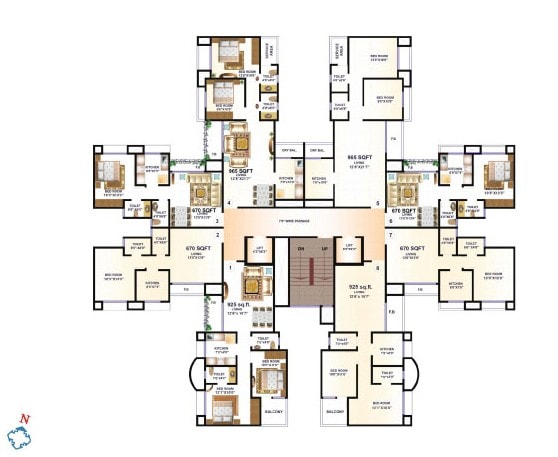
One of the most important documents a buyer can request is the approved building plan. Unlike brochures, which are often “artist’s illustrations” intended to inspire, the approved plan is a legally binding document submitted to and sanctioned by local authorities. It details the exact dimensions, layout, setbacks, utility placements, and structural elements of the condo development.
Why This Matters:
- Accuracy: The approved plan reflects the true size and configuration of units and common areas, preventing surprises about room sizes or missing amenities.
- Legal Protection: It serves as a reference point in case of disputes over what was promised versus what was delivered.
- Verification: Buyers can cross-check the plan with marketing materials to identify discrepancies or exaggerations.
Key Elements to Review:
| Element | What to Look For | Buyer Considerations |
|---|---|---|
| Unit Dimensions | Confirm exact room sizes and total area | Beware of inflated square footage claims |
| Setbacks & Boundaries | Check distances from property lines | Ensures compliance with zoning regulations |
| Utility Placements | Location of electrical, plumbing, and HVAC | Affects usability and potential renovations |
| Common Areas | Size and location of amenities | Verify promised amenities are included |
Requesting and thoroughly reviewing the approved building plan empowers buyers with factual data, helping them separate marketing fiction from reality.
Inspect the Actual Model Unit—With a Critical Eye
Model units are often the closest physical representation buyers get before purchase, but they are typically staged with custom furniture and décor designed to maximize appeal. To avoid being misled, buyers should approach model unit visits with a discerning mindset.
Focus Areas for Inspection:
- Ceiling Height: Measure or ask about ceiling height. Low ceilings can make spaces feel cramped despite marketing images suggesting openness.
- Wall Thickness and Materials: Thicker walls can indicate better soundproofing and insulation, while thin walls may lead to noise issues.
- Furniture Scale: Question whether the furniture is standard size or custom-built to fit the space. Downsized furniture can create an illusion of spaciousness.
- Natural Light: Observe the amount and quality of natural light at different times of day, as brochures often exaggerate lighting conditions.
- Storage Space: Look for closets, cabinets, and storage options. Limited storage is a common complaint among condo buyers.
Tips for a Thorough Inspection:
- Bring a tape measure to verify room dimensions.
- Visit the model at different times to assess lighting and noise.
- Take notes and photos for comparison with marketing materials.
By critically evaluating the model unit beyond its staged appearance, buyers can gain a realistic understanding of what living in the space will truly be like.
Research the Developer’s Track Record: Past Performance as Predictor
A developer’s history is a valuable indicator of what buyers can expect regarding build quality, amenity fulfillment, and post-sale support. Investigating previous projects offers insight into how amenities have aged and whether the developer has a reputation for transparency.
Research Steps:
- Visit Completed Projects: Physically inspect older developments by the same developer to assess the condition of amenities and overall maintenance.
- Compare Original Brochures vs. Reality: Ask current residents or realtors about discrepancies between what was promised and what was delivered.
- Check Online Reviews and Forums: Look for buyer feedback on social media, real estate forums, and review sites.
- Inquire About Warranty and Support: Understand the developer’s policies on defects, repairs, and ongoing management.
Why This Matters:
Developers with a strong track record of delivering on promises tend to maintain buyer trust and property values. Conversely, those known for cutting corners or overstating amenities may cause buyers to face unexpected costs and dissatisfaction.
Summary Table: Buyer Pro-Tips to See Past the Amenity Illusion
| Pro-Tip | Purpose | Buyer Benefit |
|---|---|---|
| Request Approved Building Plan | Verify legal and accurate property details | Avoid surprises and protect investment |
| Inspect Model Unit Critically | Assess real space, lighting, and finishes | Make informed judgments about livability |
| Research Developer’s History | Gauge the reliability and quality of past projects | Build confidence and anticipate potential issues |
By following these pro-tips, buyers can better navigate the marketing maze and make decisions grounded in facts rather than illusions.
Understanding the amenity illusion and employing these strategies equips buyers to protect their investment, avoid disappointment, and secure a condo that truly matches their expectations. This informed approach fosters confidence and satisfaction throughout the buying process, ultimately leading to a better homeownership experience.
Red Flags to Watch Out For
When navigating the world of condo marketing materials, being able to spot red flags is crucial to avoiding the amenity illusion and making a well-informed purchase. Developers and realtors sometimes use vague language, overly polished renders, and incomplete visuals that can mislead even the savviest buyers. Below, we break down the key warning signs to watch for, helping you see beyond the marketing gloss and protect your investment.
Vague Language: The Fine Print That Can Cost You
One of the most common tactics that signal potential issues is the use of ambiguous or non-committal phrases in brochures, websites, and sales contracts. Phrases such as:
- “Subject to change without prior notice”
- “Comparable to…”
- “Approximate dimensions”
- “Amenities may vary.”
These statements serve as legal disclaimers that allow developers to alter features, layouts, or amenities after buyers commit, often without updating marketing materials or informing purchasers. While these phrases may be necessary from a legal standpoint, their presence should prompt buyers to ask for official, approved building plans and seek clarification on what exactly is guaranteed.
Why This Matters:
- Risk of Disappointment: Buyers may expect a certain feature or finish that is later downgraded or omitted.
- Financial Impact: Premium prices paid for promised amenities may not be justified if those amenities change.
- Legal Challenges: Vague language can complicate efforts to seek redress or compensation.
| Tip: Always request a copy of the approved building plan and written confirmation of included amenities before signing any agreement. |
Over-the-Top Renders: When Reality Can’t Match the Fantasy
Digital renderings and virtual tours are powerful marketing tools, but they can also be a source of significant deception when used irresponsibly. Red flags include:
- Unrealistic luxury settings: For example, a pool area depicted as a lavish 5-star resort with cabanas, waterfalls, and expansive landscaping, paired with a surprisingly low or “affordable” price point.
- Excessive lighting and perfect weather: Renderings bathed in golden hour light or bright sunshine every time, which can mask actual lighting conditions.
- Furniture and human figures: Often downsized or absent, making spaces appear larger and more inviting than they truly are.
| Warning Signs in Renders | What It Could Mean |
|---|---|
| Overly glamorous pool or gym | Amenities may be downsized or missing |
| Perfect weather in every image | Lighting conditions may be poor |
| Lack of surrounding context | Potential issues with location or view |
Missing Details: What’s Left Out Speaks Volumes
Sometimes what’s not shown in marketing materials is just as important as what is. Common omissions to be wary of include:
- Surrounding buildings or infrastructure: Renders that exclude neighboring high-rises, power lines, or busy roads can mislead buyers about privacy, noise, and views.
- Storage spaces and utility areas: Often left out or minimized, leaving buyers unaware of potential storage shortages or inconvenient layouts.
- Shared amenities’ actual size and capacity: Marketing images may show crowded gyms or lounges as spacious, but in reality, these spaces may be too small for the number of residents.
Impact of Missing Details:
- Lifestyle Mismatch: Buyers may find the neighborhood noisier or more congested than expected.
- Functional Limitations: Lack of storage or cramped amenities can reduce daily convenience and comfort.
- Resale Value Risk: Properties with poor context or inadequate amenities tend to have lower market appeal.
Summary Table: Common Red Flags and Their Implications
| Red Flag | Description | Buyer Action |
|---|---|---|
| Vague Language | Non-committal phrases that limit developer liability | Request approved building plans and clarifications |
| Over-the-Top Renders | Unrealistic digital images that exaggerate features | Visit model units and verify features in person |
| Missing Surrounding Info | Omission of neighboring buildings or infrastructure | Visit the site and assess neighborhood conditions |
| Limited Amenity Details | Understated size or capacity of shared spaces | Ask for amenity floor plans and usage policies |
Proactive Steps to Avoid Red Flags
- Demand Transparency: Insist on clear, detailed documentation of all promised features and amenities.
- Visit in Person: Whenever possible, tour the actual site and model units at different times of day to assess lighting, noise, and space.
- Consult Experts: Engage with experienced realtors or independent inspectors who can provide unbiased assessments.
- Research Developer Reputation: Look into past projects to check for patterns of unmet promises or poor maintenance.
By learning to recognize these red flags and taking proactive measures, buyers can significantly reduce the risk of falling prey to the amenity illusion and make a confident, informed condo purchase.
Buying with Your Eyes Open
To avoid the amenity illusion and ensure buyer satisfaction, developers and realtors must prioritize transparency and accuracy in marketing materials, clearly detailing amenities, services, and costs to help buyers set realistic expectations. Effective staging that highlights the condo’s true potential, combined with tailored marketing strategies addressing target audience needs, fosters trust and credibility. While brochures and 3D renders evoke emotion, buyers should remember they are investing in a physical property where daily life unfolds within actual walls and shared spaces, making it crucial to look beyond marketing illusions and focus on tangible, well-maintained assets.
Don’t let Photoshop dictate your biggest investment. A high-end gym or a rooftop infinity pool is only an asset if it actually exists, is well-maintained, and functions for the residents. Always look past the “rendering” and evaluate the developer’s track record for delivering what they promise.
HousingInteractive: Bringing Reality to the Rendering
We believe in seeing properties for what they truly are, not just how they look in a filter. As the pioneer property portal in the Philippines, we provide the transparency you need to distinguish between a “marketing dream” and a high-value physical asset.
HousingInteractive, the Philippines’ first property portal, delivers property solutions that see past the “Amenity Illusion.” Don’t buy based on Photoshop—find verified, high-quality developments that deliver on their promises with us today!
| Welcome to a cautionary perspective in HousingInteractive’s series, where we explore love and relationships through the lens of real estate. This approach reveals the often-overlooked risks of making commitments by drawing surprising parallels between the complexities of the property market and the journey of love and long-term relationships. Next: The Overpricing Trick |