















Buying a home is probably the biggest financial move you’ll ever make. It’s supposed to be exciting, right? But honestly, it’s also terrifying. You’re handing over years of hard-earned savings to someone you just met, hoping they’re actually who they say they are.
That’s where the “Unauthorized Agent Scheme” creeps in. It’s not always a guy in a dark alley; usually, it’s someone very charming, very “eloquent,” and very fake.
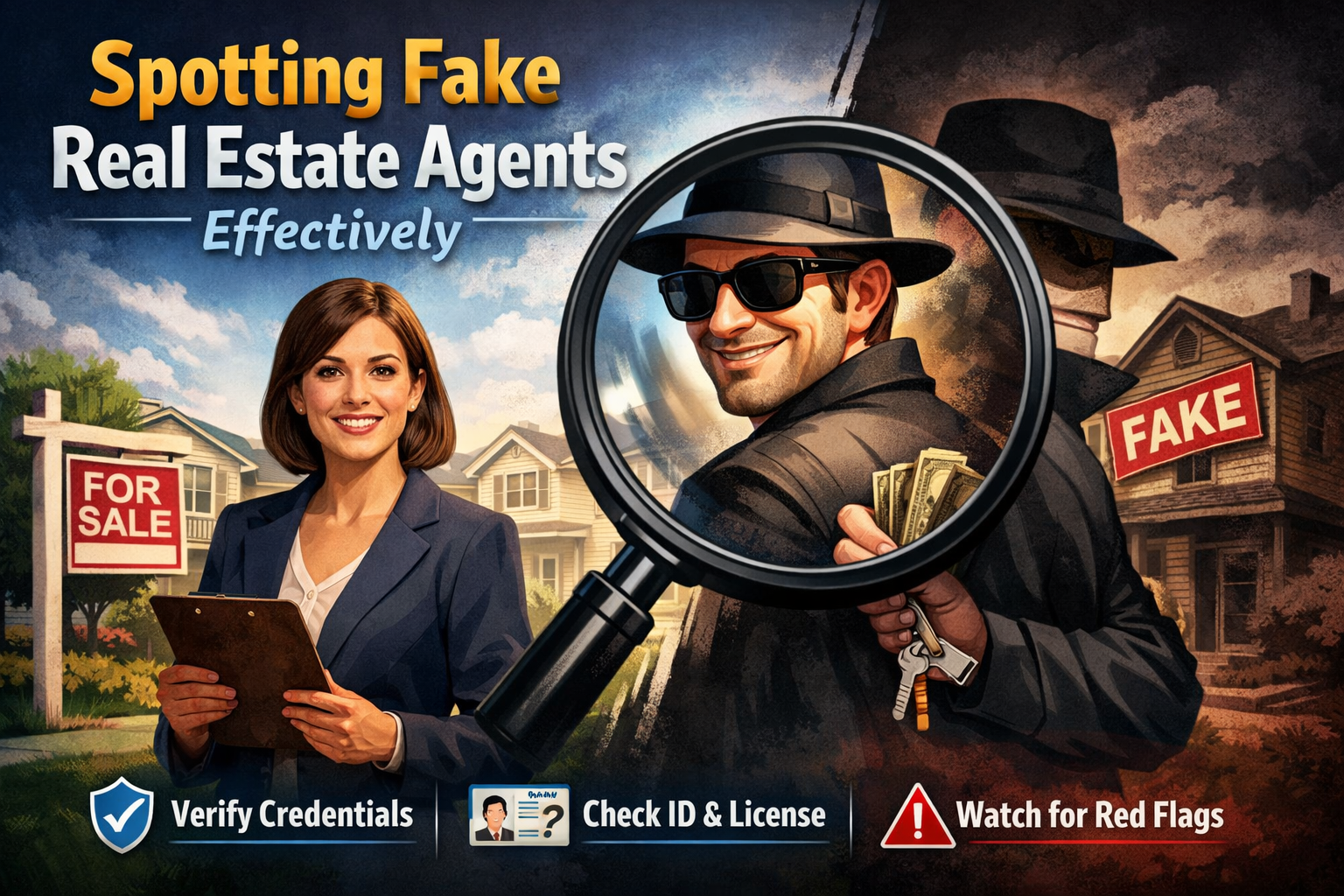
A. The Moment of Doubt: When Things Just Don’t Feel Right
Real estate scams are increasingly common, with fake real estate agents targeting unsuspecting buyers and sellers. Understanding the tactics these scammers use is vital for ensuring a safe property purchase. Often, fake agents employ high-pressure tactics to rush buyers into quick decisions, which can lead to significant financial losses. Recognizing the warning signs of these scams is crucial to avoiding falling victim. Exercising due diligence when dealing with real estate agents is essential to ensure smooth and secure transactions, protecting your investment and peace of mind.
1. The Perfect Property, but Something Feels Off
You’ve found what seems to be the perfect condo or house. The agent representing the property is charming, responds to your messages almost instantly, and appears to have an extensive network of contacts. On the surface, everything seems ideal. Yet, despite all this, there’s a nagging feeling inside you—a subtle sense that something isn’t quite adding up.
2. The Danger of Trusting Charm Alone
This feeling is more common than you might think. Often, we tend to trust someone simply because they sound confident and professional. However, it’s important to remember that being a smooth talker or having a polished demeanor doesn’t necessarily mean the person is a legitimate real estate professional.
3. Asking the Crucial Question
At this critical moment, it’s essential to pause and ask yourself: “Am I absolutely certain this agent is genuine?” This question is the first step toward protecting yourself from potential scams.
4. Taking Action on Your Instincts
Recognizing that initial doubt and acting on it by conducting further verification can save you from costly mistakes. Trust your instincts, but also back them up with solid research. Check the agent’s credentials, look for reviews or testimonials from previous clients, and verify their affiliation with recognized real estate organizations.
5. Empowering Yourself for a Safer Transaction
By acknowledging the moment of doubt and taking proactive steps, you empower yourself to navigate the real estate market more safely and confidently.
Sigurado ka bang legit ang ahente mo?
B. What Exactly is an “Unauthorized Agent”?
An “Unauthorized Agent” refers to someone who poses as a licensed broker or accredited salesperson without actually holding the proper credentials. Unlike legitimate real estate agents who are registered and regulated by official authorities, unauthorized agents operate without any formal licensing or oversight, making them a significant risk to buyers and sellers alike.
- Defining the Scheme: These individuals often mimic the behavior and language of licensed agents to gain trust. They may present themselves as experienced professionals, but their names won’t appear on any official documents or licenses. This lack of accountability means that if a deal goes wrong, you have little to no legal recourse.
- The “Middleman” Myth: Unauthorized agents sometimes claim they are merely intermediaries helping a licensed friend or colleague. However, if their name is absent from contracts or paperwork, they have no legal authority to represent the property or the parties involved. This leaves clients unprotected and vulnerable to fraud.
- Why They Do It: The motivation behind unauthorized agents is usually quick, easy money without the responsibilities or risks that come with being a legitimate agent. They can collect deposits, fees, or personal information and vanish without a trace, often changing contact details like SIM cards to avoid detection.
- Risks Involved: Engaging with unauthorized agents can lead to severe consequences, including loss of funds, property ownership disputes, and even property damage due to unverified transactions. Because these agents operate outside the law, victims often find it challenging to recover lost money or assert ownership rights.
- How to Protect Yourself: Always verify an agent’s license with the appropriate regulatory body before engaging in any transaction. Be cautious if the agent avoids in-person meetings, refuses to provide verifiable credentials, or pressures you to make quick payments. Remember, legitimate agents will have a verifiable track record, transparent processes, and will never ask for cash payments without proper documentation.
By understanding what an unauthorized agent is and recognizing their tactics, you can take proactive steps to safeguard your property purchase and avoid falling victim to these fraudulent schemes.
Characteristics of Fake Real Estate Agents
Fake real estate agents often use various deceptive tactics to lure unsuspecting buyers and sellers. Understanding these characteristics can help you identify and avoid falling victim to their schemes.
1. Unrealistic Promises and Offers
One common tactic fake agents use is making sweet promises that seem too good to be true. They may guarantee an exceptionally high market value for your property or offer a dream apartment at an unrealistically low price. These offers are designed to attract attention quickly but are rarely genuine.
2. Use of False Listings and Misrepresentation
Fake agents frequently rely on false or misleading property listings. They might pretend to be the legitimate owner or authorized representative of a property to deceive buyers. This misrepresentation can lead to significant financial losses if you proceed without proper verification.
3. Lack of Verifiable Credentials and Track Record
A key red flag is the absence of a verifiable track record. Fake agents often cannot provide personal information or credentials to confirm their identity or professional background. They may avoid sharing references or proof of previous successful transactions.
4. Unprofessional Behavior and Inconsistent Stories
Watch for unprofessional conduct, such as poor communication, evasiveness, or inconsistent details about the property or transaction process. Fake agents may struggle to answer basic questions or provide conflicting information, raising doubts about their legitimacy.
5. Pressure Tactics and Upfront Payment Requests
Many fake agents use high-pressure sales tactics to rush you into making decisions without adequate time for due diligence. They might also demand upfront payments, deposits, or fees before any legitimate agreement or contract is signed, which is a significant warning sign.
By being aware of these warning signs and maintaining a cautious approach, you can better protect yourself from fake real estate agents and ensure a safer property transaction experience.
C. The Two Pieces of Paper That Save Your Savings
1. The PRC License: Your Primary Proof of Legitimacy
The Professional Regulation Commission (PRC) license is the most critical credential any real estate agent must have. This license certifies that the agent has met the necessary education, examination, and ethical standards required to operate legally. If an agent cannot present a valid PRC ID upon request, it is a clear sign to walk away immediately. Without this license, you have no guarantee that the person you’re dealing with is qualified or authorized to represent properties.
2. DHSUD Accreditation: Ensuring Developer Compliance
In the Philippines, the Department of Human Settlements and Urban Development (DHSUD) oversees the registration and accreditation of real estate developers and their agents. Agents involved in selling developer projects must have DHSUD accreditation, which ensures they are recognized by this government body and comply with housing laws and regulations. Always ask to see this accreditation when dealing with new developments or projects.
3. The “Transparency” Test: Gauge the Agent’s Confidence
A legitimate real estate professional will never hesitate to provide proof of their credentials. In fact, many take pride in showing their licenses and accreditations. If an agent becomes defensive, evasive, or offended when you request to see these documents, consider it a massive red flag. Transparency is a hallmark of trustworthy agents, and their willingness to openly share their credentials reflects their professionalism.
- Why These Documents Matter. These two key documents—the PRC license and DHSUD accreditation—are your protection against fraud. They verify that the agent is legally allowed to conduct real estate transactions and that they adhere to industry standards. Without them, you risk dealing with unauthorized agents who might disappear with your money or misrepresent properties.
- How to Verify Credentials. Besides asking to see these documents in person, you can verify their authenticity through official channels. The PRC has an online verification system where you can check the validity of an agent’s license. Similarly, DHSUD maintains records of accredited developers and agents. Taking these extra steps ensures you’re working with a genuine professional, safeguarding your investment and peace of mind.
Identifying Genuine Real Estate Agents
Recognizing genuine estate agents is crucial to ensuring a safe and successful property transaction. Here are key characteristics that distinguish authentic agents from fraudulent ones:
a. Proven Track Record
Genuine real estate agents have a history of successful transactions and can provide valuable insights into the property market. They are open to sharing their past experiences and client success stories, which helps build trust.
b. Transparency in Fees and Services
Legitimate agents are upfront about their fees, commissions, and the services they provide. They offer clear documentation and contracts that outline all terms and conditions, ensuring there are no hidden charges or surprises during the transaction.
c. Accurate and Detailed Listings
Authentic agents present legitimate listings with precise and comprehensive information. Their property descriptions are truthful, and they avoid misleading or false information that could deceive buyers or renters.
d. Client-Centered Approach
A genuine real estate agent prioritizes the client’s needs and interests. They provide personalized service, taking the time to understand your preferences, budget, and goals. Their guidance is tailored to help you make informed decisions throughout the buying or selling process.
e. Strong Online Presence and Positive Feedback
Established agents maintain a professional online presence, including websites and social media profiles. They have positive reviews and testimonials from previous clients, which serve as valuable references to their credibility and quality of service.
f. Professional Credentials and Licensing
Authentic agents hold valid licenses and are registered with relevant regulatory bodies. They willingly provide proof of their credentials and are members of recognized real estate associations, demonstrating their commitment to industry standards.
g. Effective Communication and Responsiveness
Genuine agents communicate clearly and promptly. They are available to answer questions, provide updates, and address concerns without evasiveness or delay, fostering a transparent and trustworthy relationship.
By keeping these key things in mind, you can confidently identify genuine estate agents who will support you throughout your property purchase or sale, helping you avoid scams and ensuring a smooth transaction.
D. The Nightmare Scenario: When the Money Vanishes
One of the most devastating experiences in dealing with fake real estate agents is when your hard-earned money disappears without a trace. This nightmare scenario often begins with what seems like a routine payment—such as a reservation fee, downpayment, or deposit—only for the agent to suddenly vanish.
- The Repercussion: Imagine you’ve sent your reservation fee or downpayment to secure your dream apartment or house, but shortly after, the agent stops answering your calls, texts, or emails. The excitement quickly turns to anxiety as you realize something is seriously wrong.
- The Receipt Trap: A critical warning sign is the absence of an official receipt. If you did not receive an Official Receipt (OR) from a licensed developer or registered brokerage, and instead were given only a text confirmation, a handwritten note, or a generic paper slip, your payment is at high risk of being lost. These unofficial receipts offer no legal proof of your transaction, making it nearly impossible to claim your money back.
- No Paper Trail, No Recovery: Without a legitimate broker or agent to hold accountable, law enforcement faces significant challenges in tracking down these “ghost” agents. They often operate under fake names, use disposable phone numbers, and disappear once they have collected funds. This leaves victims with empty bank accounts and no property to show for their investment.
- The Emotional and Financial Toll: Beyond the financial loss, victims suffer emotional distress, loss of trust, and sometimes even damage to their credit or future ability to secure financing. The process of trying to recover lost funds can be long, frustrating, and often unsuccessful.
- How to Avoid This Scenario: The best defense is prevention. Always insist on official documentation and receipts for any payments made. Verify the legitimacy of the agent and the developer through government or regulatory bodies before transferring any funds. Never make payments to individuals who refuse to provide verifiable credentials or proper paperwork. If an agent pressures you to pay quickly or offers deals that seem too good to be true, step back and conduct thorough due diligence.
- What to Do If You Fall Victim: If you suspect you have been scammed, report the incident immediately to local authorities and regulatory agencies. Gather all communication records, payment proofs, and any documents related to the transaction. Consult with a legal professional who specializes in real estate fraud to explore possible recovery options.
By understanding this nightmare scenario and taking proactive steps, you can protect your savings and avoid becoming another victim of fake real estate agents.
Legit Dapat, Hindi Lang Eloquent
The Golden Rule: Recognizing and Verifying Real Estate Agents Quickly
Scammers often appear more “salesy” and pushy than legitimate real estate professionals because they rely heavily on charm and urgency to distract you from the lack of proper documentation and credentials. Their goal is to close deals quickly before you can verify their legitimacy. Understanding how to spot these tactics and verify an agent’s authenticity in just a few minutes can save you from costly mistakes.
1. The Salesy Approach: A Red Flag
Fake agents tend to use high-pressure sales tactics, such as urging you to act immediately or suggesting that there are many other interested buyers. They may overwhelm you with compliments, promises of exclusive deals, or unrealistic offers that seem too good to be true. While genuine agents focus on providing clear information and answering your questions patiently, scammers try to rush you into decisions without giving you time to think or conduct due diligence.
2. Quick Verification Steps You Can Take
Luckily, verifying a real estate agent’s legitimacy doesn’t have to be complicated or time-consuming. Here are three simple steps you can complete in about five minutes to protect yourself:
- Check the PRC Website Online
The Professional Regulation Commission (PRC) maintains an online database of licensed real estate professionals. By entering the agent’s name or license number, you can quickly confirm if they are legally authorized to operate. This step helps you avoid dealing with unauthorized agents who could put your investment at risk. - Ask for Their Broker’s Name
Salespersons in real estate must operate under a licensed broker. Request the name of the broker the agent is affiliated with and verify that the broker is licensed as well. If an agent hesitates or refuses to provide this information, consider it a serious warning sign. - Call the Developer or Property Owner Directly
If the agent claims to represent a developer or property owner, contact the developer’s official office or property management company to confirm whether the agent is authorized to sell or rent their properties. This direct confirmation can prevent you from falling victim to impostors pretending to have legitimate ties.
Additional Tips for Staying Safe
- Demand Proper Documentation: Legitimate agents will provide official contracts, receipts, and identification without hesitation. Always ask for written agreements before making any payments.
- Avoid Cash Payments Without Receipts: Never hand over cash without getting an official receipt from a registered brokerage or developer. This paper trail is crucial if you need to dispute charges later.
- Trust Your Instincts: If something feels off or too rushed, pause and take the time to verify. Scammers often rely on your hesitancy to act quickly.
By following these straightforward verification steps and remaining cautious, you can protect your life savings, avoid falling for scams, and ensure that your real estate transactions are handled by genuine, trustworthy professionals.
Trust Your Gut, But Verify the License
Working with a genuine real estate agent can significantly enhance your property purchase or sale experience by providing professionalism, transparency, and reliable guidance. It is crucial to always verify the agent’s credentials and the services they offer before proceeding with any transactions to avoid falling victim to fake agents and scams.
Exercising caution and due diligence throughout the process helps protect your investment and peace of mind. If you ever encounter suspicious activity or feel uncertain, do not hesitate to report concerns or seek advice from a qualified professional. By adhering to these practices, you can navigate the real estate market safely and increase the likelihood of a successful transaction.
HousingInteractive: Your Safe Harbor for Verified Real Estate
We believe that your real estate journey should be built on professional integrity, not uncertainty. As the pioneer property portal in the Philippines, we take the guesswork out of the process by connecting you with legitimate, high-caliber professionals and listings you can trust.
HousingInteractive, the Philippines’ first property portal, delivers property solutions that prioritize your security. Skip the risk of fake agents—connect with verified professionals and secure your investment through our trusted platform today!
| Welcome to a cautionary perspective in HousingInteractive’s series, where we explore love and relationships through the lens of real estate. This approach reveals the often-overlooked risks of making commitments by drawing surprising parallels between the complexities of the property market and the journey of love and long-term relationships. Next: The Amenity Illusion |