


















Today, we’re time-traveling. Not with a fancy machine or some sci-fi portal, but just with a bit of imagination. Because the question on everyone’s mind lately is pretty big:
What will homes actually look like in the future?
And look, I don’t mean flying cars or kitchens that cook 3D-printed steak, though, honestly, I wouldn’t say no to a robot that does the dishes. I’m talking about something deeper. What will living really look like?
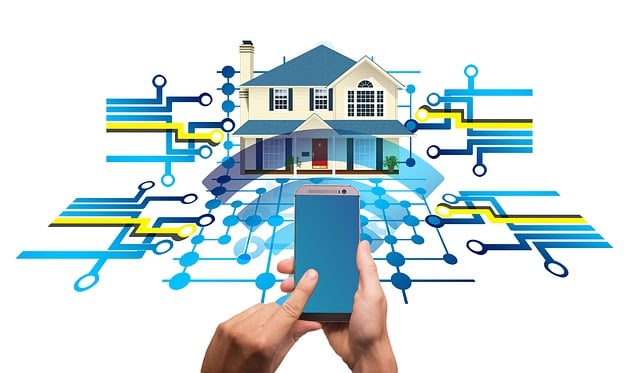
Image by Gerd Altmann from Pixabay
Think about it this way. Not that long ago, homes were simple. You had a spot to sleep, a table to eat, and a couch where you watched TV until you fell asleep. But now? Everything has shifted. Your home is your office. It’s your gym. It’s the café where you grab a mid-morning latte, your therapy room, and maybe even your content studio. Sometimes, let’s be real, it feels like an escape room.
The future of housing isn’t about how many square feet you can cram into a lot. It’s about how you feel once you’re inside.
Future homes won’t just be about size. They’ll be about how you feel inside them.
Future Living
Imagine your home as a living, breathing friend that knows how you feel, understands what you need, and adjusts to your daily rhythm. Future homes won’t just be packed with smart gadgets; they’ll be emotionally smart too, responding to when you want calm, light, energy, or quiet. These homes will be more than just places to live; they’ll be supportive partners that make every part of your day better.
1. Cutting-Edge Technology Driving Home Innovation
Over the next ten years, our homes are expected to undergo significant changes thanks to new technologies and innovative designs that make daily life easier and more comfortable. Smart homes won’t be just for the rich anymore; they’ll be normal. They will use artificial intelligence (AI), the Internet of Things (IoT), and augmented reality (AR) to create homes that understand your needs and help you live better. For example, AI systems will learn your daily habits and automatically adjust settings like lights, heating, and security, making your home more comfortable while saving energy.
Key technologies to watch:
- AI-driven home assistants managing energy and security
- IoT-enabled appliances communicating seamlessly
- AR applications for virtual home customization and design visualization
- Biometric security systems are replacing traditional locks
- Hands-free interfaces reduce disease transmission risks
These advancements will allow homeowners to control their home’s energy consumption and security systems remotely via mobile phones and smart speakers, making daily life more convenient and connected.
2. Sustainable Living at the Forefront
As climate change accelerates, the importance of sustainable living in future homes cannot be overstated. The next decade will witness a surge in demand for homes that are not only energy efficient but also constructed with eco-friendly materials and powered by renewable energy sources such as solar panels and geothermal systems.
Sustainability highlights include:
- Use of locally sourced, recycled, and low-impact materials
- Incorporation of passive solar design and green roofs to reduce energy needs
- Implementation of water-saving fixtures and rainwater harvesting systems
- Homes designed to be energy independent, operating off the grid
- Adherence to LEED-certified and other green building standards
A study by the International Energy Agency (IEA) projects that by 2030, residential buildings could reduce global CO2 emissions by up to 25% through these sustainable practices. This shift will be crucial in meeting the Paris Agreement goals to keep global warming below 1.5°C.
Urban Areas Embracing Green Infrastructure
Humans Weren’t Designed to Be Islands
I think we’ve all felt that weird isolation that comes from being too “plugged in” but totally alone. The future of living isn’t just about what’s inside your four walls. It’s about what’s right outside your door.
We’re seeing a return to walkable communities: green pockets, shared social zones, and actual places to bump into your neighbors. Because even the biggest introverts among us still need a local coffee shop where someone knows our name. We weren’t meant to live in isolation.
With urban areas expected to house nearly 70% of the global population by 2050, cities will become epicenters of green buildings and sustainable infrastructure. Urban planning will focus on creating energy-efficient neighborhoods that incorporate green spaces, public transportation, and walkable communities to reduce reliance on cars and lower carbon footprints.
Sustainability Isn’t a Trend, It’s Survival
I know “sustainability” can feel like a corporate buzzword sometimes, but let’s strip that away. Future homes will be kinder. Kinder to the planet, sure, but also kinder to your health and your bank account.
- Natural light that actually keeps your mood up.
- Cleaner air systems so you stop sneezing every spring.
- Better materials that keep the heat in without costing a fortune.
It’s not about being trendy. It’s about longevity. It’s about making sure the place you live doesn’t wear out, or wear you out, in ten years.
Urban sustainability strategies:
| Strategy | Description | Benefits |
|---|---|---|
| Green buildings | Structures designed to minimize environmental impact | Reduced energy use and emissions |
| Mixed-use developments | Combining residential, commercial, and recreational spaces | Enhanced community interaction and reduced commute times |
| Smart grids | Energy distribution networks optimized via AI | Efficient energy use and integration of renewables |
| Public green spaces | Parks, community gardens, and green corridors | Improved air quality and mental well-being |
Cities will increasingly rely on data analytics and real-time monitoring to optimize waste management, energy consumption, and transportation, creating resilient and adaptive urban environments for the coming years.
The Role of the Future Workforce in Home Living
The future workforce will significantly influence how homes evolve, as work and living spaces continue to merge. The rise of hybrid work models will drive demand for homes that accommodate both professional and personal needs, with flexible layouts and dedicated workspaces becoming standard.
Workforce-driven home design trends:
- Multi-functional rooms that switch between office, gym, and relaxation spaces
- Enhanced connectivity infrastructure to support remote work and virtual collaboration
- Ergonomic and wellness-focused furniture integrated into home offices
- Smart home systems that manage lighting, noise, and temperature for productivity
Economic forces and new technology will shape how homes evolve to meet the changing needs of modern families and workers, especially in multigenerational households where different age groups share space and need flexible living areas. Over the next decade, future homes will blend smart technology, sustainability, and people-centered design to create spaces that are not only more efficient and healthier but also better connected to their communities. This shift will change what “home” means, turning it into a dynamic place that supports well-being, productivity, and caring for the environment for years to come.
Sustainable and Efficient Home Features
Future homes will incorporate smart technologies and eco-friendly systems to optimize energy and resource use. AI-driven smart thermostats can reduce heating and cooling costs by up to 20%, while LED lighting significantly cuts electricity consumption. Rainwater harvesting systems help conserve water by reusing it for irrigation and toilets, reducing potable water demand by up to 30%. Additionally, high-efficiency appliances rated by ENERGY STAR lower both electricity and water usage, contributing to overall sustainability and cost savings.
Multigenerational Living: Designing for Family and Community
The future of housing is also shaped by changing social trends, like more people wanting multigenerational homes. In many countries, including the Philippines, families are seeing the benefits of living together across generations. Imagine grandparents, parents, and kids all under one roof—sharing not just space but also support and resources.
These homes are designed with separate living areas that offer privacy, like private entrances or soundproof rooms. Spaces are flexible too, doubling as offices, guest rooms, or care areas for elderly family members. This setup helps families save money on housing and makes it easier for older relatives to age comfortably at home instead of moving to a care facility.
It’s common for families to live together to help with childcare and household chores, especially when parents work abroad. Having a multigenerational home means grandparents can take care of the kids, while everyone shares expenses and looks out for one another. It’s a practical and heartwarming way to stay connected and support each other through life’s ups and downs.
Advantages of multigenerational living include:
- Improved economic resilience through shared expenses
- Enhanced emotional support and caregiving within families
- Efficient use of space and resources, reducing environmental impact
- Strengthened community bonds and cultural continuity
Prefabricated and Modular Construction: Efficiency Meets Sustainability
To meet the growing demand for sustainable homes, the construction industry is increasingly turning to prefabricated and modular building methods. These approaches involve manufacturing components in controlled factory settings before assembling them on-site, which reduces material waste, construction time, and labor costs.
Prefabricated homes can be designed with high precision to meet energy efficiency standards and incorporate sustainable materials. The controlled environment allows for better quality control and integration of smart technologies. Moreover, modular construction offers flexibility, enabling homeowners to customize layouts and expand living spaces as needs evolve.
Environmental and practical benefits of prefab homes:
- Up to 90% reduction in construction waste compared to traditional methods
- Lower carbon footprint due to efficient transportation and assembly
- Faster build times, reducing disruption and site impact
- Potential for disassembly and relocation, promoting circular economy principles
Sustainable Home Features and Their Impact
| Sustainable Feature | Environmental Benefit | Social/Economic Benefit |
|---|---|---|
| Solar panels | Reduced carbon emissions | Lower energy bills, energy independence |
| Geothermal heating/cooling | Decreased fossil fuel use | Consistent comfort, reduced utility costs |
| Smart energy management | Optimized energy consumption | Convenience, cost savings |
| Multigenerational design | Efficient space utilization | Family cohesion, caregiving support |
| Prefabricated construction | Waste reduction, resource efficiency | Affordability, faster construction |
Smart Homes Technology
The integration of smart home technology is set to revolutionize how we live, work, and interact with our living spaces in the coming decade. Technology will be a crucial driver in this transformation. From artificial intelligence to augmented reality and the Internet of Things, smart homes will become more intuitive, responsive, and health-conscious, shaping a new era of home living.
1. Artificial Intelligence: The Brain Behind Smart Homes
Artificial intelligence (AI) will be the central nervous system of future homes, enabling dynamic management of energy, security, and comfort. AI-driven home assistants will learn residents’ habits and preferences, optimizing systems in real time to enhance both convenience and efficiency.
Key AI applications include:
- Energy management: AI algorithms analyze usage patterns and weather forecasts to adjust heating, cooling, and lighting, reducing energy waste and lowering utility costs.
- Security: Facial recognition and biometric authentication will replace traditional keys, providing seamless and secure access. AI-powered surveillance systems will detect unusual activities and alert homeowners or authorities proactively.
- Personalized environments: AI will adjust ambient conditions such as lighting color, temperature, and soundscapes to suit moods and activities, improving well-being and productivity.
According to a report by MarketsandMarkets, the global AI in smart homes market is projected to grow at a compound annual growth rate (CAGR) of 4.8% between 2024 and 2029, reflecting the growing demand for intelligent living spaces.
2. Augmented Reality: Visualizing and Designing Your Future Home
Augmented reality (AR) is poised to become a game-changer in home design and customization. Homeowners will be able to visualize changes, experiment with layouts, and interact with virtual elements within their actual living spaces before making physical modifications.
Benefits of AR in home living:
- Virtual furniture placement: Try out different furniture styles and arrangements without moving a single piece.
- Real-time renovation previews: Visualize paint colors, flooring options, and décor changes instantly.
- Interactive maintenance guides: AR can overlay instructions onto appliances or systems, simplifying repairs and upkeep.
Emerline projects that the augmented reality (AR) and virtual reality (VR) market will experience explosive growth, with revenues surpassing $100 billion by 2025 and nearly doubling to $200.87 billion by 2030. This impressive annual growth rate of 22% is fueled by advancements in mobile technology and smart glasses, making AR an increasingly prevalent tool in residential design for home customization and visualization.
3. Internet of Things (IoT): The Connected Home Ecosystem
The Internet of Things will underpin the seamless connectivity of appliances, sensors, and systems, creating an integrated home environment that responds intelligently to residents’ needs.
Core IoT features in future homes:
- Interoperability: Devices from lighting to refrigerators will communicate, enabling coordinated actions like adjusting kitchen lighting when cooking.
- Automation: Routine tasks such as watering plants, adjusting blinds, or replenishing supplies can be automated based on sensor data.
- Remote control: Homeowners will manage their homes from anywhere via mobile phones or smart speakers, ensuring security and comfort even when away.
A 2025 study by Statista estimates that by 2034, there will be over 24 billion connected IoT devices globally, many of which will be embedded in the commercial sector.
Prioritizing Health and Wellness Through Technology
Future smart homes will not only focus on convenience but will also prioritize health and wellness by integrating technologies and materials that foster healthier living environments.
Health-centric smart home features:
- Air purification systems: Advanced sensors will monitor indoor air quality, automatically activating filtration to reduce allergens, pollutants, and pathogens.
- Non-toxic building materials: Emphasis on sustainable, low-VOC (volatile organic compounds) materials will minimize exposure to harmful chemicals.
- Circadian lighting: Smart lighting systems will mimic natural daylight cycles to support sleep patterns and mental health.
- Wellness monitoring: Integration with wearable health devices and home sensors will allow continuous monitoring of occupants’ well-being, alerting them to potential issues.
The COVID-19 pandemic has accelerated awareness of indoor health, making these features increasingly important. According to the World Health Organization, ambient air pollution and household air pollution contribute to approximately 6.7 million premature deaths annually, underscoring the need for healthier home environments.
Smart Homes Technology and Its Impact
| Technology | Description | Benefits |
|---|---|---|
| Artificial Intelligence | AI-driven systems for energy, security, and personalization | Energy savings, enhanced security, comfort |
| Augmented Reality | Virtual visualization and interaction with home design | Informed decisions, reduced renovation costs |
| Internet of Things | Connected devices enabling automation and control | Convenience, efficiency, and remote access |
| Health-focused Tech | Air purification, non-toxic materials, circadian lighting | Improved indoor air quality, wellness |
Smart home technology embodies the essence of future homes. By harnessing artificial intelligence, augmented reality, and the Internet of Things, future homes will not only become more efficient and secure but also healthier and more responsive to our evolving lifestyles. This technological evolution aligns with the broader trends of future living, sustainable homes, and community integration, setting the stage for a decade where home living is truly transformed for the better.
Evolution of Living Spaces in the Next Decade
The next decade promises a profound transformation in how living spaces are designed, utilized, and experienced. This evolution is driven by shifting social dynamics, technological advancements, and environmental imperatives, all converging to redefine the very concept of “home.” Below, we explore the key trends shaping this change, providing a comprehensive understanding of what to expect in future homes and communities.
Flexible and Adaptable Living Spaces
In response to increasingly dynamic lifestyles, future homes will prioritize flexibility and adaptability. The traditional fixed-function rooms will give way to multi-functional spaces that can easily transform to meet diverse needs throughout the day or over time. For example, a single room may serve as a home office during work hours, convert into a gym for exercise, and transition into a relaxation or entertainment area by evening.
This shift is propelled by several factors:
- Hybrid work models: With remote and hybrid work becoming the norm, dedicated workspaces at home are essential but must remain adaptable to prevent spatial monotony.
- Changing family structures: Multigenerational living and shared housing arrangements require spaces that accommodate privacy and communal interaction simultaneously.
- Urban density constraints: As urban areas grow denser, maximizing the utility of limited square footage becomes critical.
Key design strategies include:
- Modular furniture and movable walls to reconfigure rooms easily
- Smart home systems that adjust lighting, temperature, and acoustics based on room function
- Storage solutions that optimize space without clutter
Studies show that homes with adaptable designs increase occupant satisfaction and can lead to better mental health outcomes by reducing stress associated with cramped or inflexible environments.
Community and Social Connection: The Rise of Co-Living
The concept of home is expanding beyond private walls to embrace community and social connection. Co-living spaces, which combine private bedrooms with shared communal areas such as kitchens, lounges, and workspaces, are gaining traction—especially in urban centers where affordability and social interaction are priorities.
Why co-living is becoming popular:
- Affordability: Shared resources lower individual costs, making housing more accessible.
- Sense of belonging: Co-living fosters community bonds, combating the isolation often experienced in large cities.
- Shared amenities: Residents benefit from communal kitchens, gyms, and event spaces, enhancing lifestyle quality.
According to a Research Intelo report, the Asia Pacific region is emerging as the fastest-growing market for co-living spaces, projected to achieve an impressive compound annual growth rate (CAGR) of 17.8% from 2024 to 2033. This growth trend is set to accelerate further as urban populations continue to expand rapidly.
Growth of Mixed-Use Developments in Urban Areas
Urban planning is evolving with a focus on mixed-use developments that seamlessly integrate residential, commercial, and recreational spaces. This approach creates vibrant neighborhoods where residents can live, work, shop, and socialize without long commutes, reducing traffic congestion and environmental impact.
Benefits of mixed-use developments:
| Benefit | Description |
|---|---|
| Reduced carbon footprint | Less reliance on cars decreases greenhouse gas emissions |
| Enhanced community engagement | Proximity encourages social interactions and local economy |
| Improved accessibility | Easy access to amenities supports diverse populations |
| Economic resilience | Mixed-use areas adapt better to market fluctuations |
Cities like Taguig and Muntinlupa have successfully implemented mixed-use urban models, demonstrating increased resident satisfaction and sustainability.
Integration of Virtual Reality and Augmented Reality
Technology will play a pivotal role in enhancing the living experience through immersive tools like virtual reality (VR) and augmented reality (AR). These technologies will enable homeowners and developers to visualize and interact with living spaces before and after construction, revolutionizing home customization and maintenance.
Applications include:
- Virtual walkthroughs: Prospective buyers can explore properties remotely with realistic 3D simulations.
- AR interior design: Homeowners can preview furniture placement, color schemes, and renovations in real-time within their actual space.
- Maintenance assistance: AR overlays can guide users through appliance repairs or system diagnostics.
Choosing Your Future
The future of home living over the next decade will be defined by the integration of cutting-edge technology, sustainable and energy-efficient design, and a stronger focus on community and well-being. Smart homes powered by artificial intelligence and IoT will offer personalized, convenient living, while renewable energy and eco-friendly materials will reduce environmental impact. Flexible, multigenerational, and co-living spaces will adapt to evolving social needs, fostering connection and resilience. As climate change and demographic shifts shape our world, these innovations will create healthier, more connected, and sustainable living environments that truly transform how we live better in the years to come.
Take the Next Step with HousingInteractive
At HousingInteractive, we’ve realized something: buying a home today isn’t actually about today. It’s about who you’re going to be five, ten, or twenty years from now.
The best homes of the future won’t be the ones that impress your guests with a marble foyer. They’ll be the ones who support your growth. They won’t show off; they’ll show care. And yes, they’ll definitely still need lightning-fast Wi-Fi.
A future home isn’t just a structure. It’s a life system.
So, when you start looking for your next move, don’t just ask, “How does it look?” Ask the bigger question:
How will it help me live?
As the Philippines’ first property portal dedicated to delivering innovative property solutions, HousingInteractive is your trusted partner in navigating the future of home living. Whether you’re searching for a smart home equipped with the latest technology, a sustainable property that aligns with your eco-friendly values, or a multigenerational home designed for your family’s evolving needs, HousingInteractive offers comprehensive listings and expert guidance to help you find the perfect fit.
Explore the future of housing today—visit HousingInteractive and discover how you can be part of the next decade’s transformative journey in home living. Your dream home, built for tomorrow, is just a click away.