
















The dream of homeownership is a powerful motivator. We scroll through social media feeds filled with pristine kitchens, sun-drenched reading nooks, and perfectly manicured lawns. It is easy to get swept up in the aesthetic of it all, imagining a life where a beautiful house solves all our problems. But there is a massive gap between a property listing and a lifestyle. A real dream home isn’t just a backdrop for photos; it is a living, breathing investment that requires constant attention. To make the dream last, you have to transition from the “fantasy” phase to the “practical” phase.

Pinangarap mo na bang happily ever after sa dream home mo?
Dreaming is the fun part, but fantasies without a roadmap lead to heartbreak. If you want a home that brings peace instead of stress, you have to learn to dream with data, not drama.
The Practical Foundation
Before you fall in love with a staircase or a view, you must look at the hard numbers. The most common mistake new homeowners make is focusing solely on the purchase price. In reality, the purchase price is just the “entry fee.” A sustainable home is built on a foundation of financial transparency and long-term foresight.
Understanding Your True Financial Capacity
Your bank might approve you for a certain amount, but that doesn’t mean you should spend it. “Financial capacity” means your ability to maintain your current lifestyle while paying for the house. You need to calculate the Total Cost of Ownership (TCO), which includes property taxes, homeowner association (HOA) fees, insurance, and the increased cost of utilities for a larger space.
It’s also important to factor in potential unexpected expenses that arise over the years. For instance, older houses may require more frequent repairs, such as roof replacements or plumbing updates, which can add significantly to your budget. Even new houses can come with hidden costs like landscaping or upgrades to kitchen cabinets and appliances. Understanding these costs upfront helps you avoid financial strain and keeps your dream home a source of joy rather than stress.
The “Unpaid Amortization” Trap
Many buyers stretch their budgets to the breaking point, leaving no room for error. If your income dips or an emergency arises, that dream home quickly becomes a financial prison.
Kung puro fantasy lang, baka magising ka sa reality ng unpaid amortization.
This trap can feel like a fairy tale gone wrong, where the dream house turns into a burden. It’s crucial to have a financial cushion and a clear exit plan. Life is unpredictable; job changes, family needs, or unexpected repairs can all impact your ability to keep up with mortgage payments. Planning for these possibilities is part of the practical love your dream home needs.
The 30% Rule
Financial experts often suggest the “Housing Ratio” should not exceed 28% to 30% of your gross monthly income.
- Scenario A (Fantasy): A buyer spends 45% of their income on a mortgage to get a “dream” pool. When the water heater breaks, they have to use credit cards to fix it.
- Scenario B (Practical): A buyer stays at 25%. They have a smaller yard but can afford a European vacation and a repair fund.
Choosing the right balance between what you desire and what you can realistically afford is key. Remember, a beautiful home is more than its features; it’s about the life you build inside it. Sometimes, that means opting for a home that fits your family’s needs and your financial reality rather than chasing a perfect home that stretches your resources thin.
Defining Your Space
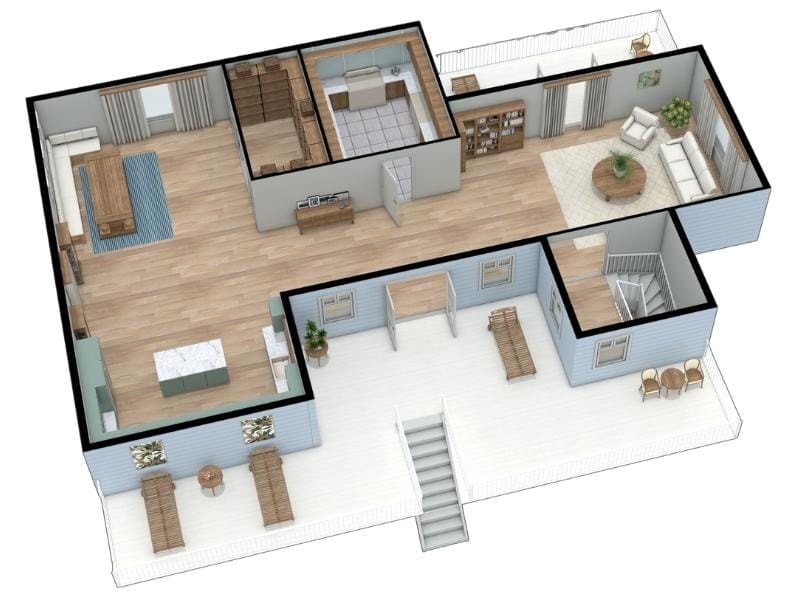
A dream house is not just about the physical structure; it is about creating a living space that supports your daily life. If you are a remote worker but buy a house without a dedicated office space, that “dream” will feel like a burden within a month.
Support Your Lifestyle
Defining your space involves a deep dive into your habits. Ask yourself:
- Where do I spend 80% of my time? If it’s the kitchen, invest there. If it’s the bedroom, don’t skimp on a small master suite.
- What are my must-haves? Perhaps you need a quiet corner for a reading nook or a garage large enough for a workshop.
- Natural Light: This is a non-negotiable for many because it affects mood and energy bills. Proper orientation of the house can maximize sunlight, making a small space feel vast.
Defining your space also means considering how your needs might evolve. For example, if you have children or plan to, think about whether the layout accommodates their activities and privacy. Similarly, if you enjoy hobbies or crafts, a dedicated study room or creative space can be a game-changer for your daily routine. It’s not just about what looks good on paper but what actively supports your lifestyle in the real world.
Contentment in the “Now”
You don’t need a brand-new build to have a dream home. Whether you’re living in a rented apartment or an older fixer-upper, creating a sense of ownership and comfort is entirely possible. Here’s how to find contentment with your current living space:
- Make the space work for you today: Focus on adapting your current home to fit your lifestyle rather than waiting for future renovations.
- Small changes can make a big difference: Rearranging furniture to create cozy spots like a reading nook or adding plants to bring life and color indoors can transform your space.
- Invest love and effort: A beautiful home is less about perfection and more about the care and attention you give it.
- Personalize your sanctuary: Even in a rented apartment, simple touches can turn your space into a reflection of your personality and a supportive environment for daily life.
- Embrace the journey: Understand that a dream home is an evolving process, shaped by your hard work, money, and hope over time.
- Build a foundation for future improvements: By appreciating and making the most of your current home, you set the stage for gradual enhancements.
- Enjoy the everyday moments: Whether in a small city apartment or a country house, cherish the wonderful experiences that happen within your home every morning and night.
Choosing Your “Must-Haves”
When planning or shopping, distinguish between structural needs and cosmetic wants. Cosmetic work, such as painting and decorating, can make a huge impact on the feel of your home for a fraction of the cost of structural changes.
Essential Features vs. Aesthetic Fluff
While crown molding and high-end light fixtures are beautiful, they don’t help you cook dinner or get laundry done. Focus on the “bones” first.
The Square Footage Myth
More space isn’t always better. Every extra square foot is more floor to mop, more air to cool, and more roof to replace. A well-designed 1,500-square-foot home often feels more “dreamy” than a poorly laid-out 3,000-square-foot mansion.
Prioritizing Function Over Form
When deciding on your must-haves, think about how each feature supports your daily routines. For example, a spacious kitchen with ample countertop space and storage is invaluable if you love cooking or entertaining often. Conversely, a grand foyer might look impressive but serve little practical purpose. Consider how your family uses each area of the house and prioritize accordingly.
Flexibility for Future Needs
Your lifestyle may change over time, so it’s wise to choose features that can adapt. A room that serves as a study or home office today might become a nursery or guest room tomorrow. Built-in shelving, modular furniture, and open floor plans can offer the flexibility to evolve with your needs without costly renovations.
Outdoor Spaces Matter
Don’t overlook outdoor areas when listing your must-haves. A manageable garden or patio can provide a peaceful escape and extend your living space year-round. Whether it’s a small deck for morning coffee or a fenced yard for kids and pets, outdoor features contribute significantly to your home’s livability and your family’s happiness.
Energy Efficiency and Sustainability
Modern dream homes increasingly incorporate energy-efficient features such as double-glazed windows, LED lighting, and smart thermostats. These not only reduce utility bills but also lessen environmental impact. When choosing must-haves, consider sustainable materials and technologies that align with your values and long-term savings.
Storage Solutions
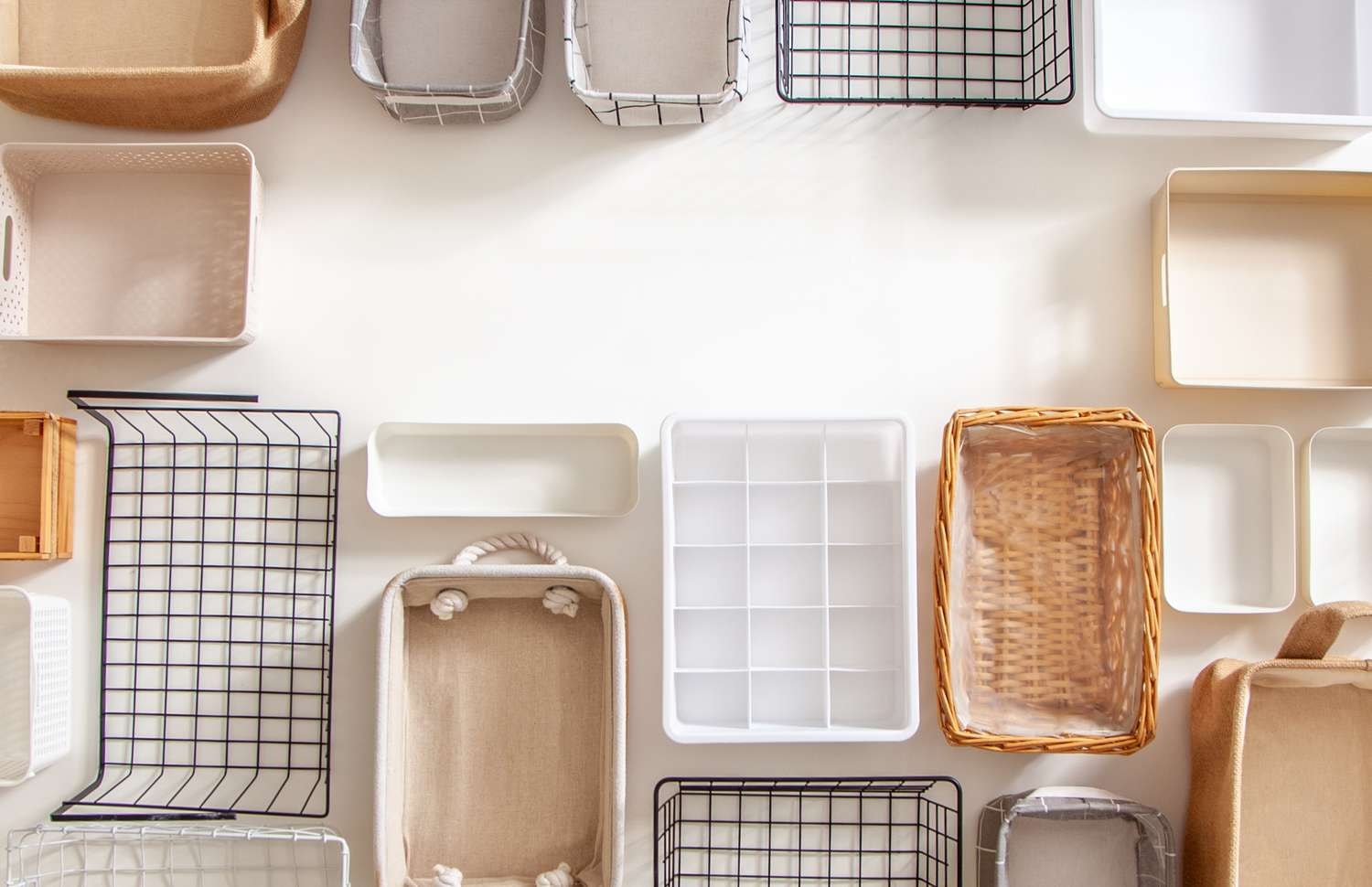
Adequate storage is often underestimated but essential for a clutter-free home. Walk-in closets, pantry space, and built-in cabinets help keep your living areas organized and serene. Think about your current storage challenges and address them in your must-have list to maintain a tidy, functional space.
Accessibility and Comfort
Consider features that enhance comfort and accessibility for all family members. This might include wider doorways, step-free entrances, or a master bedroom on the ground floor. Designing with comfort in mind ensures your home remains enjoyable and practical as your needs evolve.
By carefully distinguishing between what you truly need and what simply looks appealing, you set a solid foundation for a home that supports your lifestyle, budget, and future growth.
Maintenance: The “Practical Love” Language
A home is a depreciating asset sitting on appreciating land. The only way to keep the building’s value up is through consistent, often boring, maintenance. This is the “practical love” that keeps a home from falling apart.

The 1% Rule of Maintenance
A good rule of thumb is to set aside 1% of your home’s value every year for maintenance. If your home is worth Php4,000,000, expect to spend Php40,000 annually on everything from gutter cleaning to replacing a broken dishwasher.
Essential Maintenance Checklist:
- Quarterly: Change HVAC filters, check smoke detectors, and inspect plumbing under sinks.
- Biannually: Clean gutters and check for exterior cracks or pests.
- Annually: Service the AC/Heating system and inspect the roof for loose shingles.
“Know your financial capacity, maintenance needs, and exit plan.”
Why Maintenance Matters Beyond Money
Regular upkeep not only preserves your home’s value but also prevents small issues from turning into costly repairs. For instance, neglecting a minor roof leak can lead to water damage, mold growth, and structural problems down the line. Similarly, clogged gutters can cause foundation issues if water pools near your home’s base. Maintenance is an investment in your peace of mind and the longevity of your dream home.
Incorporating Maintenance into Your Routine
Making maintenance a part of your routine can feel overwhelming, but breaking tasks into manageable chunks helps. Use seasonal checklists or set reminders on your phone to stay on top of chores. Hiring professionals for inspections and servicing can save you time and ensure things are done correctly, especially for complex systems like HVAC or electrical wiring.
The Emotional Side of Practical Love
Maintenance is often seen as tedious, but it’s a form of caring for your home that reflects your commitment to your life and family. Just like relationships require attention and effort, so does your living space. Embracing this mindset transforms maintenance from a chore into a meaningful act of love.
Planning for the Unexpected
Even with the best maintenance, unexpected repairs happen. Establishing an emergency fund specifically for home repairs cushions the financial impact. This fund can cover urgent fixes like a broken water heater or sudden plumbing issues, preventing stress and protecting your overall budget.
Sustainable Maintenance Practices
Consider eco-friendly maintenance options when possible. Using non-toxic cleaning products, opting for energy-efficient appliances, and scheduling regular HVAC tune-ups can reduce your environmental footprint and lower utility bills. Sustainable upkeep aligns with the broader goal of creating a home that supports your lifestyle and values year-round.
Personalizing the Dream
Once the logistics are settled, you can focus on the soul of the home. Personalizing your dream home involves adding unique touches that reflect your personality and style. This is what turns a house into a sanctuary.
Adding Warmth and Welcome
A home should feel like a reflection of your journey.
- Heirlooms and Photos: Integrate items that have a story. A house filled only with brand-new furniture from a catalog feels like a hotel, not a home.
- The “Anchor” Rooms: Focus your design energy on the living room and kitchen. These are the “heart” of the house where people gather.
- Sensory Details: Think about how the house smells, the texture of the rugs, and the sound of the space. These small details contribute to a sense of joy and happiness.
Adding warmth goes beyond aesthetics; it creates a feeling of belonging. Soft blankets draped over a couch, the gentle flicker of candles, or the aroma of fresh coffee brewing can transform a room from merely functional to deeply inviting. Consider layering textures with plush cushions, natural fiber rugs, and wooden accents to add depth and comfort.
The Lifestyle Support System
A dream home should serve as a foundation to live your best life by aligning with your personal values and daily habits. To achieve this, consider the following:
- Identify your core activities and hobbies, and design spaces that support them. A large dining table for those who love hosting gatherings. A dedicated gym area for fitness enthusiasts.
- Create functional zones that cater to family needs, such as cozy reading nooks for children or homework stations that encourage focus and productivity.
- For remote workers, ensure a well-lit study room equipped with ergonomic furniture to enhance comfort and efficiency. Incorporate flexibility through modular furniture, movable partitions, or multipurpose rooms that can adapt as your lifestyle evolves.
- Personalize your space with elements that bring joy and reflect your personality, such as artwork, houseplants, or favorite color schemes.
Remember, a dream home is not just about appearance but about how well the space functions and feels for you every day.
Stay Grounded
The path to a dream home is paved with spreadsheets and checklists, not just vision boards. By focusing on financial capacity, maintenance, and functional design, you ensure that your home remains a source of peace rather than a source of debt.
A house becomes a “dream” when you can sleep soundly inside it, knowing the mortgage is paid, the roof is tight, and the space fits your life perfectly. Stop chasing the fantasy and start practicing the love.
HousingInteractive: Bringing Practicality to Your Dream Search
We believe that a dream home is only perfect if it’s also a sound investment. As the Philippines’ pioneer property portal, we provide the data, professional insights, and vetted listings you need to move from “fantasy” to a functional, financially secure reality.
HousingInteractive, the Philippines’ first property portal, delivers property solutions that balance your vision with practical value. Stop chasing fantasies and start finding your sustainable dream home with us today!
| HousingInteractive’s article series, “Why Real Estate Must Be Handled Like One’s Love Life,“ presents a unique and practical guide to investment serendipity by drawing direct parallels between finding the perfect romantic partner and securing the ideal property. The articles guide investors through crucial emotional and strategic checkpoints, emphasizing that when one learns to choose with wisdom, check with diligence, and commit with confidence, they don’t simply find the right property; they actively build a successful, long-term investment. Ready to apply these principles? Check out the full series on HousingInteractive for actionable steps to secure your next perfect property match. |