
















You’re scrolling, maybe you’re doing okay; you finally landed that client, or you paid off a chunk of debt, or you just managed to finally sleep through the night after a rough week. You’re feeling good. And then you see it: a photo of someone your age, maybe a high school classmate, standing in front of a house that looks like a literal palace. Or they’re announcing a massive promotion you thought you should have gotten by now.
And just like that, the good feeling evaporates. Your progress shrinks. You start asking, “Why am I not there yet?”
Unique Design Journeys
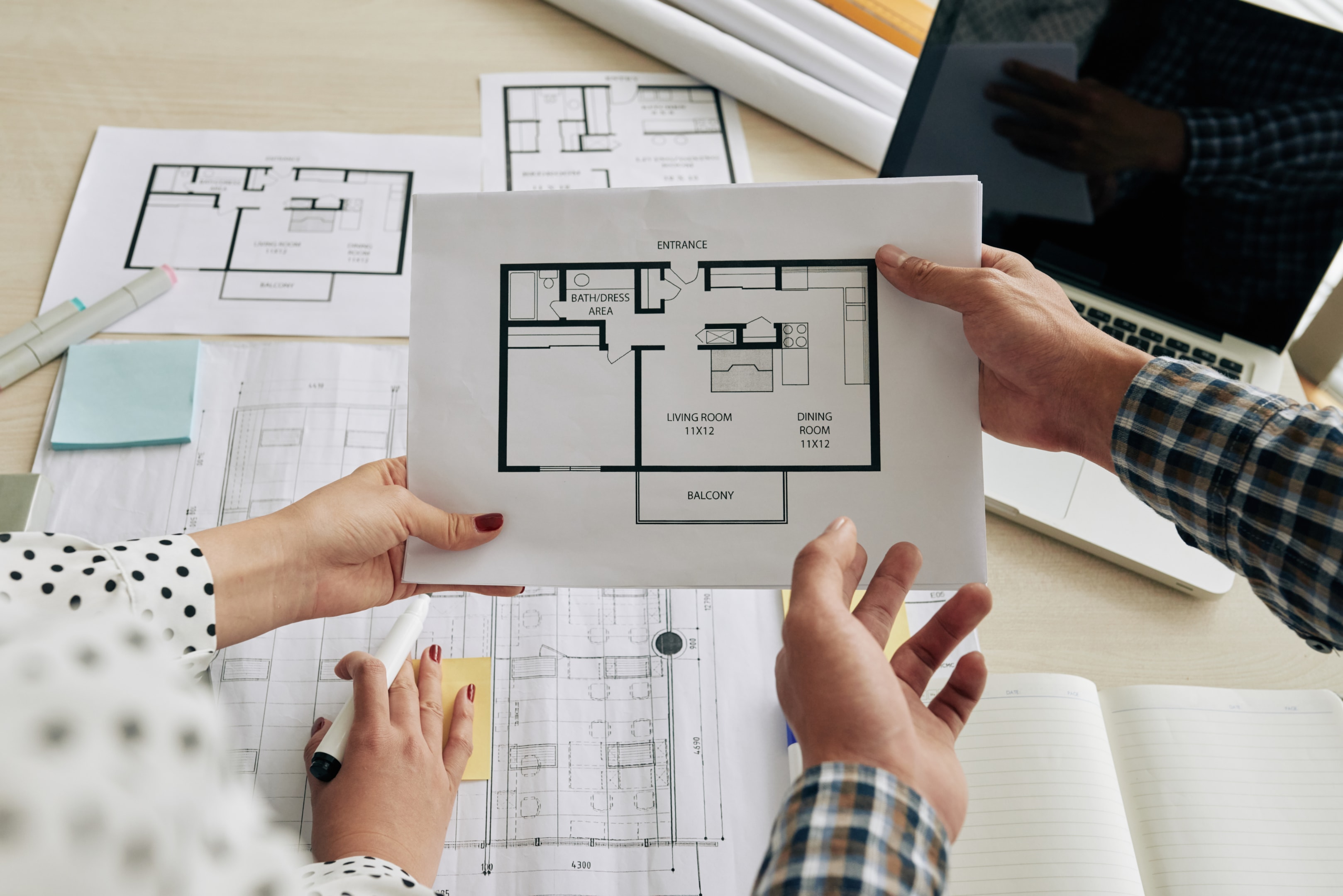
Honestly, comparing your life, your timeline, your career, your relationships, and your wealth to others is exactly like comparing two completely different houses. Sure, they might both be on the same block, built in the same year, but their underlying blueprints? Their floor plans? They’re utterly unique.
A well-designed floor plan is essential for creating a functional and comfortable living space that meets your unique needs. It involves more than just arranging rooms on a blueprint; it requires thoughtful consideration of natural light, traffic flow, and ample storage to ensure every inch of your home serves a purpose.
The truth is, your life needs the same careful design. You have to account for your personal history (the land), your resources (the materials), and your priorities (the layout). If you’re trying to force a huge, multi-level blueprint onto a small, cozy lot, you’re just going to build stress, not a home.
By understanding the significance of a floor plan in both real estate and daily life, you can craft a space that not only looks appealing but also enhances your lifestyle and well-being.
Recognizing Key Features in Floor Plans
Here’s the thing, and it’s a question we need to stop and really think about:
Bakit mo kinukumpara ang love story mo sa iba?
(Why are you comparing your love story to others?)
Why do we do that?
Because we forget the design principle, every home has its own design; maybe one needs a huge dining area for big family gatherings, and another needs a private, quiet space for intense work. They’re both valid. They’re both functional. That’s because people have unique timelines and different, non-transferable goals.
Stop trying to copy and paste someone else’s blueprint. It simply won’t fit your life’s unique foundation. You need to focus on your layout, not the fancy extension your neighbor just put on theirs.
When comparing two floor plans, it is important to look beyond the surface and evaluate the unique features each offers. Elements such as a guest room, powder room, or laundry room can greatly influence how practical and convenient a home feels. These features contribute to the overall functionality and can make a significant difference in accommodating your family’s needs and daily routines.
Assessing Your Needs and Preferences
Start by evaluating how much space you need, taking into account the number of bedrooms, bathrooms, and living areas required, as well as your lifestyle and daily routines, including the need for a home office, flex space, or walk-in closet. Consider the importance of natural light, ceiling height, and exterior wall placement in your floor plan, and assess your storage needs, such as space for cleaning supplies, a bonus room, or additional storage areas, to ensure your home design aligns with both functionality and comfort.
A. Evaluate Your Life’s Space Requirements
Let’s get real about what you need versus what you think you need based on external pressure. Start by evaluating the true size of your life. Do you actually need that massive, high-stress career (the five-bedroom mansion) or would you be happier with a fulfilling, low-key path (the cozy, highly customized cottage)?
Don’t just count the “bedrooms” (the big milestones); consider your lifestyle. Do you genuinely need a home office, a flex space for a hobby, or is a highly organized walk-in closet (excellent storage for your anxiety, perhaps?) more important? Think lifestyle first.
B. Prioritize Flow and Function
How do you live daily? That’s a function. Maybe a first-floor laundry room (an easy, streamlined process) is more important than a massive front yard (impressive but high maintenance). Is a half bath near the living area a must-have for guests, or are you an introvert who values private space above all?
Also, think about the light. Natural light is essential for well-being. What elements in your life bring you that necessary mental light and energy? What makes you feel warm and functional? That’s what needs to be prioritized in your design.
C. Storage and Decluttering
We all know clutter kills peace. In a home, it means dedicated spaces for cleaning supplies and seasonal items. In life, it means managing your emotional baggage and unnecessary obligations. Ample storage (clear boundaries, good habits) contributes significantly to a clutter-free, peaceful living space. You can’t be functional if you’re constantly tripping over yesterday’s mess.
Balancing Space, Functionality, and Style
We can’t start building until we know what we need to function. This is the non-negotiable step.
1. Space: Striking the Right Balance
Space is key to a successful floor plan. It’s not about having more square footage but using it wisely. Rooms should be sized appropriately for their purpose, allowing comfortable movement and activities. Proper ceiling height and room proportions create an open, inviting feel. Thoughtful space allocation ensures every part of your home is functional and welcoming.
2. Functionality: Designed for Everyday Living
A functional floor plan supports smooth daily routines. Good traffic flow, smart room placement, and convenient features like a laundry room near bedrooms or a powder room near living areas make life easier. Ample storage, such as walk-in closets and pantries, keeps clutter at bay. Flexible spaces can adapt to your changing needs, making your home truly work for you.
3. Style: Making Your Home Inviting
Style reflects your personality and sets the mood of your home. Elements like window placement, ceiling height, and room proportions enhance natural light and ambiance. Features such as open-concept great rooms or well-placed exterior walls improve flow and connection. Adding personal touches turns a practical layout into a warm, welcoming space.
Understanding Layouts: Finding Your True Style
Familiarize yourself with various floor plan layouts, such as U-shaped or open-concept designs, and consider which best suits your lifestyle. Pay close attention to the flow of the floor plan, including the strategic placement of doors, stairs, and windows, to ensure smooth traffic flow throughout the home. Evaluate the location and relationship of key areas like the kitchen, dining table, and master bedroom to one another. Additionally, consider practical features such as the convenience of a first-floor laundry room or a half bath near the living area, which can significantly enhance daily comfort and functionality.
You need to understand that the design language you’re speaking must be your own.
A. Layouts are Not One-Size-Fits-All
The “open concept” life, where everything is visible, shared, and loud, is popular, but does it truly suit you? Or are you better suited to a segmented, traditional layout (a life with clear boundaries between work, family, and personal time)?
Look at the flow. The placement of doors, stairs, and windows ensures smooth movement in a home. In life, that means your schedule and priorities should ensure a smooth traffic flow between commitments, not constant bottlenecks and frantic stops.
B. Evaluating Space and Functionality
Don’t just look at the total square footage of someone else’s achievement. Look at the use of space. Your life may have less “total area” than your colleague’s, but if your space is highly functional, if every commitment serves a purpose, and every relationship is healthy, you have a better design.
A good floor plan always balances space, functionality, and style. You need to achieve that same balance for yourself to feel comfortable and enjoy your living area.
The Decoration: Designing for Personal Comfort
A well-designed floor plan should prioritize both comfort and style by thoughtfully considering elements such as natural light, ceiling height, and window placement. Incorporating features like a great room or open-concept living area can significantly enhance your lifestyle and foster a sense of community. Additionally, a thoughtfully planned master bedroom, complete with a walk-in closet and en-suite bath, adds to the home’s functionality and comfort. Extending your living space outdoors with areas such as a patio or deck further enriches your home, providing versatile options for relaxation and entertainment.
This is where the self-love part really kicks in. What truly makes your space yours?
Prioritize Comfort and Style
A well-designed plan prioritizes comfort. This means planning for a master bedroom that truly serves you—maybe a quiet ritual before bed (the en-suite bath) or a clear space for your clothes and goals (the walk-in closet).
Do you even want a huge “great room” (a massive social life) or would you prefer a cozy, private den (deep, intimate friendships)? Design around what genuinely enhances your lifestyle and sense of well-being.
The Cost of Comparison
And here’s the blunt truth about what happens when you compare:
Kung puro compare, hindi ka makakapag-decorate ng sarili mong happiness.
(If you only compare, you won’t be able to decorate your own happiness.)
You are so distracted trying to copy the aesthetic of the house you wish you had that you miss out on the small, real joy of the one you’re living in. You stop buying that cozy throw blanket you love because it “doesn’t match” their style. You can’t put up your own imperfect, meaningful artwork because you’re waiting for the perfect wall that exists somewhere else. You miss out on the good stuff that’s already here.
Blueprint: Avoiding Common Mistakes
Be mindful of common mistakes in floor plan design, such as creating cramped or poorly lit living areas, and take proactive steps to avoid them. It’s important to maintain a balance between public and private spaces within the layout to ensure both comfort and functionality. Additionally, consider the potential for costly adjustments in the future and how a thoughtfully designed floor plan can help minimize these risks. Above all, focus on your lifestyle and specific needs when designing your floor plan, rather than simply prioritizing square footage or aesthetic appeal.
Don’t let external pressure ruin a perfectly good plan.
A. Look Out for Design Flaws
We all make mistakes. Don’t create a “cramped living area” in your schedule—that’s poor planning. Don’t allow for “poorly lit workspaces”—that’s a failure to recognize the things that drain your energy. A balanced plan means balancing public and private spaces, external demands, and internal needs.
A well-designed floor plan mitigates the risk of costly adjustments (mental and financial breakdowns) down the line. It’s much cheaper to tear down a poorly built wall on paper than in real life.
B. The Top Best Practice: Conviction and Ownership
Look, honestly? The single best practice here is this: “Design your life, don’t copy-paste.”
That’s it. You are the only person who knows if a high-stress corner office is a success or a prison. You are the only person who knows if that fancy car means freedom or anxiety. Stop focusing on what looks diplomatically safe or aesthetically approved. What looks good on paper might be a disaster in real life. Take a stance. Say what you believe. Your life needs to be functional for you, period.
Visualizing Your Dream Home
To visualize your dream home effectively, utilize tools and resources such as 3D modeling and virtual tours to get a clear sense of the space and flow. Consider the vital role natural light plays in shaping the ambiance and comfort of each room. Reflect on how a well-designed floor plan contributes to real-life functionality, facilitating ease of movement and practical use of every area. Additionally, evaluate the potential for customization, which allows you to create a space that genuinely reflects your personality and style.
A. Visualize Your Reality
Stop looking at the professional, staged photos of everyone else’s life. Use your own tools: your journal, your imagination, to visualize how your current and future life will feel in real life. Not just the big moments, but the ease of movement and the daily functionality of each space.
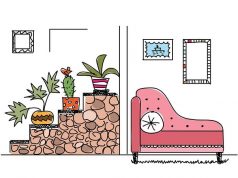
Evaluate the potential for customization. How can you modify your existing life to reflect your personality and style better? Maybe that means changing your title to reflect what you actually do, or maybe it means getting a pink couch just because it makes you happy.
B. Making the Decision
Your final decision must align with your budget (your energy, time, and money), your lifestyle, and your priorities.
And here’s a comforting thought: Evaluate the potential for growth and change. A truly flexible floor plan, a life with transferable skills and adaptable boundaries, can easily accommodate your evolving needs. Don’t build something so rigid that you can’t add an annex ten years from now.
When making your decision, it’s important to consider how your budget, lifestyle, and priorities align with each floor plan option. Additionally, think about the resale value, as a well-designed floor plan can significantly influence prospective buyers. Evaluate the potential for growth and change by choosing a flexible layout that can adapt to your evolving needs over time. Finally, consider the advantages of collaborating with real estate agents or architects, who can guide you through the process and help create a space tailored to your specific requirements.
Building Your Dream Home
Your home, like your life, is meant to be unique. Comparing your floor plan or interior design to others leads to dissatisfaction. Instead, embrace your unique design journey by focusing on functionality, comfort, and personal expression. Whether you are planning a small renovation, like setting a boundary this week, or a major structural change, every decision should be about making your space genuinely reflective of you.
What is the one thing you can do today to make your floor plan more comfortable, more functional, and more you?
HousingInteractive: Connecting You with Your Perfect Blueprint
We understand that finding the right property is the start of your unique design journey. We offer diverse listings to ensure you find a home that perfectly fits your vision for comfort, functionality, and personal expression.
HousingInteractive, the Philippines’ first property portal, delivers property solutions that match your unique vision. Explore our diverse properties and take the next step in your design journey today!
| Welcome to “Self-Love and Smart Living: Real Estate Lessons for the Heart.” This series provides a framework for treating your life and relationships as a prime, high-value piece of real estate. We will equip you with the essential skills—from conducting a rigorous Property Appraisal to establishing non-negotiable boundaries (your property lines)—so you can secure your internal title of worth, refuse to entertain low-ball offers, and ensure you always command your maximum value in the market. Next: Don’t Settle on Short-Term Lease |