


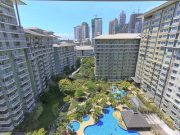














In a high-rise environment, a leak from above is one of the most stressful experiences a resident can face, often involving complex plumbing, building admin, and delicate conversations with the person living upstairs.
When water starts dripping from a ceiling that isn’t yours, it’s more than just a maintenance issue—it’s a test of neighborly diplomacy.

Imagine settling in for a quiet evening in your condo unit when you suddenly hear the annoying drip of water hitting the floor. That drip is often the first sign of a leak coming from the unit above or a hidden plumbing problem. In condo buildings, one leak can cause damage to several units and create tension between neighbors and management. Knowing how serious and tricky these situations can be is the first step to handling them the right way and preventing bigger problems.
The Reality of Condo Living
Living in a condominium involves a complex web of shared infrastructure. Unlike a standalone house, your plumbing, roofing, and HVAC systems are interconnected with your neighbors’. A leak in one unit or a shared area can quickly affect other units, common spaces, and even the building’s structure. It’s important for both unit owners and condo corporations to understand how everything is connected so they can work together to spot leaks, maintain the building, and make repairs. Figuring out who’s responsible for a leak or the damage it causes usually depends on where the water came from and the specific rules laid out in the condo’s master deed and bylaws.
The Unwelcome Drip: Early Warning Signs
Water leaks in condominium buildings often begin subtly, making early detection critical to prevent extensive damage and costly repairs. Understanding the early warning signs of a leak can empower unit owners and property managers to act swiftly, mitigating risks to property and health.
1. Visual Indicators: What to Look For
The most apparent signs of a leak manifest visually on ceilings, walls, and floors. Early detection is the most effective way to mitigate costs and health risks, such as mold.
| Sign | Description | Potential Impact |
| Discoloration | Yellow/brown rings on surfaces | Material weakening, mold growth |
| Peeling/Bubbling | Paint or wallpaper lifting | Surface damage, mold risk |
| Musty Odors | Persistent damp smell | Hidden mold (health hazard) |
| Warped Molding | Swelling baseboards/crown molding | Structural damage |
| Usage Spikes | Unexplained increase in water bills | Hidden plumbing leaks |
2. The “Silent” Signs: Hidden Clues of a Leak
Leaks don’t always announce themselves loudly. Some signs are more subtle but equally important:
- Musty or Damp Odors: Persistent damp or moldy smells can indicate moisture accumulation behind walls or ceilings, even if no visual damage is apparent.
- Warped Crown Molding or Baseboards: These architectural features may swell or deform when exposed to moisture.
- Bubbling or Blistering Ceiling Paint: This occurs when water becomes trapped beneath paint layers, often preceding visible stains.
- Unexplained Increase in Water Bills: A sudden spike in water usage can hint at hidden leaks within plumbing systems.
Proactive Tips for Early Leak Detection
- Perform Regular Visual Inspections: Unit owners should routinely check ceilings, walls, and floors for signs of moisture or damage, especially after heavy rain or appliance use.
- Use Technology: Moisture meters and thermal imaging cameras can detect hidden leaks behind walls or ceilings, enabling early intervention.
- Install Leak Detection Sensors: Smart sensors placed near high-risk areas like washing machines, dishwashers, and under sinks alert owners to leaks before visible damage occurs.
- Monitor Water Usage: Keep an eye on monthly water bills for sudden increases that may indicate leaks.
- Educate Residents: Encourage all occupants to report any signs of water intrusion immediately to the property management or condo board.
By recognizing these early warning signs and understanding their significance, condo owners and corporations can take proactive steps to prevent damage, reduce health hazards, and maintain the integrity of condominium buildings. Early intervention is the cornerstone of effective condo leak prevention and resolution, ensuring a safer, more harmonious living environment for all residents.
Common Causes and Repair Urgency
Water leaks in condo buildings can come from many places, each with its own challenges and needing special care to fix and prevent. It’s important for both unit owners and condo management to know the common causes of leaks so they can act fast and keep the damage from getting worse. This section talks about the usual sources of leaks in condos, why quick repairs matter, and what it means for everyone involved.
Pipe Leaks: The Most Frequent Culprit in Condominiums

Pipe leaks are among the most common and disruptive causes of water damage in condo buildings. These leaks can stem from different types of plumbing pipes and systems:
- Supply-Pipe Leaks (High Urgency): Aging or corroded pipes carrying clean water. These can cause massive wastage and damage multiple floors quickly.
- Waste-Pipe & Fixture Leaks (Very High Urgency): These involve “grey” or “black” water. Contamination makes mold remediation and sanitation critical.
- Hidden Slab & Riser Leaks (Critical): Occurring inside concrete or behind walls, these are the most complex and expensive to fix.
- Roof & Window Entry Points: Often caused by damaged flashing or deteriorated seals during storms.
- HVAC & Sprinkler Failures: Mechanical faults or blocked condensate drains in complex climate systems.
Other Common Causes of Water Leaks in Condo Buildings
Beyond pipe leaks, several other sources contribute to water intrusion in condominiums. These causes often affect multiple units and common areas, requiring coordinated responses from property management and condo boards.

- Roof and Window Entry Points: Flat roofs and damaged seals allow rainwater to leak into ceilings and walls.
- HVAC and Sprinkler System Failures: Malfunctions or blockages cause water leaks from cooling or fire safety systems.
- Appliance Malfunctions and Basement Flooding: Faulty appliances and poor drainage can lead to leaks damaging units below.
Navigating the “Who Pays?” Dilemma
When a water leak happens in a condo, one of the biggest questions is:
Who’s going to pay for the repairs?
This isn’t just about money: it’s about knowing who’s responsible, whether it’s the unit owner, the condo corporation, or the property management. The answer usually depends on where the leak started, what caused it, and the condo’s rules, like the master deed and bylaws.
Determining financial liability depends on the source and the location of the leak. things out.
1. Common vs. Private Responsibility
- Common Elements: These include main risers, the roof, and shared HVAC systems. Typically, the condominium corporation is responsible for covering the costs of repairs and any associated damages arising from issues in these areas.
- Private Fixtures: Items such as sinks, dishwashers, or other plumbing fixtures located within an individual unit fall under the responsibility of the unit owner. In such cases, the unit owner is usually liable for the costs of repairs and any damages that may affect neighboring units due to leaks originating from these private fixtures.
Knowing the difference between common areas and private fixtures is really important for both unit owners and condo corporations. It helps everyone understand who should pay for repairs and any damage caused by leaks. When everyone knows their responsibilities, it’s easier to work together with property management and the condo board to fix problems quickly. This teamwork helps stop health issues, mold growth, and building damage. Clear roles also make it easier to settle disputes and keep things running smoothly when dealing with water leaks in condo buildings.
2. Technical Tracing Methods
To avoid “guesswork” and unnecessary demolition, management uses:
- Dye Tests: Non-toxic dyes to trace drainage paths.
- Acoustic Detection: Listening for the sound of escaping pressurized water.
- Video Inspection: Inserting cameras into pipes to find cracks.
Insurance and Legal Frameworks
In the Philippines, condominium insurance plays a vital role in protecting both unit owners and condominium corporations, although the specifics of coverage can differ significantly.
- Master Insurance Policy: Maintained by the condominium corporation, this policy typically covers common areas, structural components, and shared facilities.
- Unit Owner’s Insurance: Individual unit owners are responsible for securing their own insurance, which covers the interior of their units, personal belongings, and any improvements made.
- Legal Presumptions: Under Philippine law, particularly in cases of inter-floor water leaks, the unit owner of the upper floor is generally presumed liable for damages unless proven otherwise.
- Dispute Resolution Mechanisms: When disagreements arise over liability or damages, parties may seek resolution through negotiation, mediation, or arbitration. For smaller claims, the Barangay Conciliation system or the Small Claims Court may also be utilized to settle disputes efficiently.
Here, resolving a condominium leak is governed by a specific hierarchy of laws and documents. While the Condominium Act (RA 4726) provides the foundation, most disputes are won or lost based on the Master Deed and the Civil Code.
1. The Hierarchy of Legal Responsibility
Responsibility is determined by the source of the leak. Philippine law distinguishes between shared and private property.
- Common Area Leaks: Under Section 6 of RA 4726, the Condominium Corporation (or Association) is the title holder and manager of common areas. If the leak originates from a shared riser, the roof, or exterior walls, the Corporation is liable for repairs and damages to affected units.
- Unit-Specific Leaks: If the leak stems from a private fixture (e.g., your kitchen sink, an owner-installed AC drain, or a toilet), the Unit Owner is responsible. This falls under Article 2176 of the Civil Code (Quasi-Delict), which holds a person liable for damages caused by their negligence or fault.
- The “Upper Floor” Presumption: While not a “strict” law like in some other countries, Philippine jurisprudence often uses the principle of Res Ipsa Loquitur (“the thing speaks for itself”). It applies when an injury ordinarily wouldn’t happen without negligence. If your ceiling is leaking, the owner of the unit directly above is the primary suspect and must cooperate in the investigation.
2. Insurance Framework in the Philippines
Insurance coverage is often split into two layers, but gaps are common.
The Master Policy (Corporation)
- What it covers: Structural damage to the building and “as-built” features of units.
- Standard Peril: Most are “Fire and Lightning” policies with an endorsement for “Broad Water Damage.”
- The Gap: Many Master Policies have high deductibles (e.g., ₱50,000+). If the damage is only ₱20,000, the Corporation may refuse to file a claim, leaving the cost-sharing to the involved owners.
Individual Unit Owner Policy (HO-6)
- What it covers: Personal belongings (furniture, electronics), unit improvements (expensive tiles, wallpapers), and Third-Party Liability (TPL).
- TPL Benefit: If your pipe leaks and ruins your neighbor’s ₱200,000 sofa, your TPL coverage can pay for their loss, protecting you from a lawsuit.
3. Legal Remedies and Dispute Resolution
If a neighbor or the building management won’t fix a leak, you have three main ways to get help:
| Forum | Best For | Pros/Cons |
| DHSUD (formerly HLURB) | Disputes against the Condo Corp/Developer | Pros: Specialized in real estate; can order “Specific Performance” (force a repair). |
| Small Claims Court | Money claims up to ₱1,000,000. | Pros: No lawyers allowed; fast (usually decided in 30 days). |
| Barangay Conciliation | Disputes between individual residents. | Requirement: Mandatory before filing a case in court (if both parties live in the same city). |
Key “Self-Help” Strategy: Article 2142
Under the principle of solutio indebiti and emergency equity, if a leak is causing immediate destruction and the neighbor/Corp refuses to act, an owner may (in extreme cases and with documentation) undertake the repair themselves and sue for full reimbursement plus legal interest.
4. Documentation: Your Best Defense
To win a claim in the Philippines, you must prove negligence (Duty, Breach, Causation, and Damages).
- Notice to Management: Always get a “Job Order” or “Incident Report” number from the Building Admin.
- Professional Assessment: Hire an independent licensed plumber to issue a signed “Technical Report” pinpointing the source.
- Formal Demand Letter: Send a demand letter via registered mail or courier service provider (not just Viber/text) to the erring party. This is a legal requirement to prove they were “in default.”
Repair and Remediation
Water leaks in condo buildings need a careful and clear repair process. Fixing the problem properly not only restores the damaged area but also stops more damage, health problems, and conflicts with neighbors. This part explains the important steps in repairing leaks, like finding and fixing the source, fixing damaged ceilings, and getting help from professionals to make the process easier.
Fixing the Source: Targeted Repairs to Prevent Recurrence
The key to successfully preventing and fixing condo leaks is finding and repairing the actual source of the water. If you only fix the visible damage without dealing with what’s causing the leak, the problem will come back and could cause more damage or mold in other units.
Common sources requiring repair include:
- Clogged Drains: Blockages in drain lines can cause water to back up, leading to leaks in ceilings below. Regular maintenance helps prevent these issues.
- Worn-Out Waterproofing: Over time, waterproofing membranes around windows, roofs, or balconies deteriorate, allowing water infiltration during rainstorms.
- Burst or Leaking Pipes: Aging or corroded plumbing supply lines and waste pipes are frequent culprits of leaks in condominium buildings.
- Faulty HVAC Drain Pans: HVAC systems often have drain pans to collect condensation; if these are cracked or clogged, water can overflow into ceilings or walls.
- Appliance Supply Lines: Washing machines, dishwashers, and water heaters with damaged or old supply hoses can leak unexpectedly.
The repair process for these issues should follow these best practices:
- Professional Inspection: Engage a licensed plumber or building engineer to conduct a detailed assessment using tools such as moisture meters, thermal imaging, and video pipe inspection.
- Documentation: Obtain a written report detailing the findings and recommended repairs. This documentation supports insurance claims and dispute resolution.
- Timely Repairs: Prioritize urgent issues like burst pipes or major water infiltration to minimize property damage and health risks, such as respiratory issues from mold.
- Coordination with Property Management: Repairs involving common elements or affecting other units require coordination with the condo board and building management.
Ceiling Restoration: Drying and Repairing the Affected Area
Once the water source is fixed, attention turns to ceiling restoration. The extent of damage varies, but proper drying and repair are essential to prevent mold growth and structural weakening.
Key steps include:
- Complete Drying: Before any repair or repainting, the ceiling slab and drywall must be thoroughly dried. This can take several days, depending on humidity and ventilation.
- Mold Remediation: If mold has developed, professional mold remediation services should be engaged to safely remove spores and prevent further contamination.
- Material Replacement: Severely damaged drywall or plaster should be removed and replaced. This often involves cutting out the affected section and installing new panels.
- Surface Preparation: Sanding rough edges, filling holes with joint compound, and priming the surface ensures a smooth finish.
- Repainting: Use mold-resistant paint to provide an extra layer of protection against moisture-related issues.
The Professional Edge: Facilitating Resolution Through Expert Support
Dealing with water leaks in condominiums often involves sensitive negotiations between unit owners, property management, and the condo board. A professional brokerage or management partner can play a pivotal role in facilitating these conversations, helping to:
- Mediate Disputes: Acting as an impartial third party to resolve disagreements over repair costs and responsibility.
- Coordinate Repairs: Ensuring timely engagement of licensed plumbers, contractors, and mold remediation experts.
- Manage Documentation: Collect and organize written reports, repair invoices, insurance claims, and correspondence for transparency and legal compliance.
- Educate Residents: Providing general information on preventative measures, early leak detection, and maintenance responsibilities to reduce future incidents.
- Legal Advice Referral: Guiding affected parties to seek legal advice or consult a law firm specializing in condominium disputes when necessary.
By leveraging professional support, condominium communities can navigate the complex repair process more efficiently, minimize health hazards, and foster better neighbor relationships.
Effective repair and remediation of condo water leaks involve a multi-step approach: fixing the source to prevent recurrence, carefully restoring damaged ceilings to avoid mold and structural issues, and engaging professional partners to facilitate resolution. These steps, combined with clear communication and thorough documentation, form the backbone of a successful condo leak prevention and resolution strategy that protects both property and residents.
Keeping it Watertight
Managing a leak in a high-rise environment is as much about people as it is about pipes. Effective community cooperation and open communication between neighbors and the Property Management Office (PMO) are the most critical tools in your arsenal. When everyone understands their responsibility, whether it’s maintaining the caulking in their own shower or reporting a damp spot in the hallway ceiling, the entire building stays protected.
While water damage can be daunting, remember that with the right technical support, clear documentation, and a proactive PMO, even a major leak is just a temporary hurdle. By staying vigilant and acting fast, you preserve not only your unit’s aesthetic but its long-term market value.
HousingInteractive: Investing in Quality-Managed Properties
We believe that the best way to handle a leak is to live in a building that prevents them. As the pioneer property portal in the Philippines, we curate listings from developers known for superior construction quality and professional property management teams who prioritize preventative maintenance over reactive repairs.
HousingInteractive, the Philippines’ first property portal, delivers property solutions that keep your investment watertight. Don’t settle for a “fixer-upper” nightmare—find your next high-quality, expertly managed condo through our verified listings today!