











In the world of flood management, the true challenge isn’t just about mixing the right materials for flood control structures; it’s about mixing in the essential ingredient of trust. Without trust, even the best-engineered projects can fall short of protecting our communities.

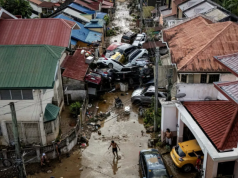
Flood control projects are meant to protect our homes, businesses, and lives. Yet, how often have we passed by an infrastructure project that seems perpetually unfinished, or worse, seen a newly built dike fail during its first significant flood? That sinking feeling of wasted money and effort is exactly what we must address. When floodwaters rise, we shouldn’t be left wading through a storm of doubt about whether the protective measures installed were truly built to endure. This issue is compounded by the “Missing Billions“; funds intended for these vital projects vanish without a trace, leaving communities exposed and trust eroded.
The Heavy Rain of Doubt
The immediate question that runs through a community after a major storm is often: Who’s Making Sure Flood Projects Actually Work?
It shouldn’t feel like a mystery or a lottery every time the sky opens up. The problem goes beyond simple engineering mistakes; it’s a profound breakdown of trust in our flood control and flood management systems. The failure isn’t just technical; it’s moral and operational. We invest substantial public funds into these large-scale infrastructure projects, banking on the promise that they will reduce flood risks and secure community life. But when oversight is lax and transparency is optional, that promise quickly dissolves. This is where the foundation of accountability steps in, acting as the bedrock of community safety and societal resilience.
As we look at successful resilience strategies globally, the key finding is clear:
Strong monitoring builds stronger communities.
Around the world, transparency became the foundation for progress. When we hold people responsible, we aren’t seeking revenge; we’re seeking lasting safety and the right to rebuild our lives without the constant fear of future floods.
Why the Floodgates of Trust Break
Understanding why projects fail requires looking beyond the immediate damage and digging into the systemic issues. When a project to improve drainage systems, fortify flood zones, or fix roads that flood anyway as part of flood control projects doesn’t work, we typically see two distinct faces of failure, often intertwined and mutually reinforcing.
A. The Two Faces of Failure: Technical vs. Accountability
- Technical Failure: This is the physical and visible side of the issue. This includes poor design that ignores local knowledge or the realities of rapid urbanization, the use of subpar materials to maximize profit, and the inevitable cutting of corners by contractors under pressure. We call these lapses “ghost projects” where the money disappears, but the promised protective outcome never materializes, leaving us vulnerable to intense flood impacts.
- Accountability Failure: This is the silent, root cause. It stems from a lack of commitment to oversight from local authorities and a culture of opacity. This failure is defined by:
- Opaque Reporting: Project budgets and progress reports are complex, hard to find, and generally incomprehensible to the average citizen.
- Non-Existent Monitoring: Site inspections are rushed, or worse, skipped entirely. There is no system for independent monitoring by non-governmental bodies.
- Diverted Public Funds: Money earmarked for essential resilience measures somehow finds its way into private pockets, leaving the project starved of necessary resources.
B. The Community Impact and Cycle of Cynicism
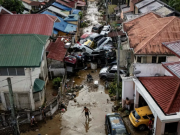
When a flood control project fails, it represents a broken promise to the community, and the people living there suffer the most. They face damaged homes, lost income, and the heavy burden of costs when they don’t have flood insurance, especially those who can’t afford it. The emotional toll of being forced to leave their homes adds to the hardship. This ongoing failure creates a harmful cycle of distrust. People lose faith in the system, stop joining flood education programs, ignore advice about preparing for floods, and feel no personal responsibility to help with disaster recovery because they believe the protective projects will fail again. This lack of trust makes it much harder for communities to build the ability to adapt and truly become resilient against the effects of climate change.
Defining Real Accountability: Uplifting, Not Just Punishing
If the goal is truly to secure our communities against the inevitable reality of frequent flooding, we need a paradigm shift in how we define and enforce accountability. True accountability goes beyond the dramatic act of firing someone after a disaster; it involves establishing proactive systems that guarantee success from the outset. When flood becomes a business, this shift is even more critical to prevent profit motives from undermining public safety.
A. Beyond the Finger-Pointing: The Proactive Shift
True accountability is a commitment to continuous improvement, not retroactive punishment. It’s an equally important component of disaster management as the engineering itself. This requires a holistic approach that integrates technical expertise with robust social systems and ethical governance.
B. The Core Philosophy: Accountability as a Social Contract
The philosophical underpinning of this shift is powerful and deeply moral.
- Justice builds trust. We need fair processes, clear metrics, and public reporting, not just dramatic arrests. When citizens can track where their taxes go and see that ethical standards are enforced, they are empowering communities and becoming active partners.
- Accountability is love for the country. When you genuinely love your community, you ensure its resources are used effectively and honestly to protect its people. This applies equally to local government officials, contractors, and the citizens who monitor their work.
C. The Filipino Perspective: Systemic Correction
In cultures that value harmony and collective upliftment, accountability takes on a deeper meaning. The goal is not merely to impose a penalty, which can be potentially limiting to future innovation, but to initiate systemic correction.
Panagutin para maiangat, hindi lang parusahan.
(Hold accountable to uplift, not just punish.)
This perspective focuses on using investigations and accountability reviews to:
- Identify gaps in local planning and execution.
- Strengthen training and capacity building for future operations.
- Develop better theoretical frameworks for risk management based on real-world outcomes.
The aim is to foster a broader understanding that failure is a learning opportunity, provided the system is designed to learn and correct itself honestly.
The Blueprint for Shared Resilience
Building disaster resilience requires a proactive blueprint that shifts power and information into the hands of the people most affected. The concept of shared resilience is achieved through practical tools that encourage radical transparency and community participation.
Tool 1: Open Book Monitoring
We need to treat public funds like community savings. Every step of a flood control project, from initial surveying of flood hazards to final testing, should be public. This means going far beyond posting complex, inaccessible documents on obscure government websites.
- The Project Health Score: Imagine a simple, mobile-friendly dashboard, like a simplified credit score for a construction project, visible to every citizen. The score would be based on real-time data inputs and include metrics such as:
- Budget Alignment: Percentage of budget spent vs. work completed.
- Quality Index: Results of core material testing (e.g., concrete strength).
- Schedule Compliance: Days ahead or behind schedule.
- Citizen Feedback: Rating derived from documented local reports of issues.
- Resilience Metric: How well the project area fared in the last minor flood event.
This level of transparency increases flood risk awareness and prevents the systemic theft often hidden within delayed timelines and confusing paperwork.
Tool 2: The Community as Inspector
The people who live in flood zones possess invaluable local knowledge. They know where the water always pools, the specific characteristics of their drainage systems, and the impact of the changing climate on local water tables. Participatory research and risk mapping initiatives are crucial here.
- Formalize Roles: Empower communities by giving residents formal, structured roles in independent monitoring. This doesn’t mean just showing up; it means trained citizens who can use simple checklists, log geotagged photos, and report to designated, independent bodies (like a community watch paired with an environmental agency liaison).
- Clear Feedback Mechanisms: Creating a path for citizens to report suspicious activity or poor quality control without fear of reprisal is essential for social systems to work correctly. Strong social interactions and social capital are key components of individual resilience, and they are activated when people feel safe speaking up.
Tool 3: Performance-Based Contracts
Current systems often reward contractors simply for completing a structure, regardless of its effectiveness. We must shift the incentive structure to reward performance and resilience.
- Holdback Payments: A significant portion of the final payment should be withheld until the project successfully mitigates the first one or two major flood events (e.g., a known 5-year storm cycle). This ensures that contractors are incentivized to build quality over quantity.
- Long-Term Guarantees: Mandate multi-year warranties on the structural integrity of the project, extending the contractor’s responsibility far beyond the ribbon-cutting ceremony. This balanced approach protects public funds and provides a clear incentive for excellence.
The Shared Responsibility
Ultimately, the responsibility for flood control and disaster preparedness is not the burden of a single agency or local government. It is a social systems problem requiring collective action.
When responsibility is shared, resilience is secured.
This means the engineer builds with integrity, the local authorities govern with transparency, and the resident uses their smartphone to document and report. Everyone plays a part in building truly equitable access to safety, ensuring the protective measures are effective against natural hazards.
What We Build When We Build Trust
Accountability in flood control is much more than mere compliance or bureaucracy; it’s a living demonstration of faith in the community level and the future of our society. Every time a project is completed with integrity, we aren’t just building a dike or a drainage system; we are strengthening our social capital and proving that our collective efforts matter. This commitment to honest, transparent, and proactive oversight is the ultimate resilience strategy.
Now that you have a comprehensive conceptual framework, I encourage you to put it into action. Investigate the infrastructure projects underway in your area, review the flood maps, and raise questions to boost flood risk awareness and highlight who gets left behind when floods hit. Demand transparency and public engagement to safeguard these efforts. Let’s take responsibility for our country by insisting that the projects meant to protect it truly work—because when we demand accountability, we’re simply insisting on the safety and peace of mind that every family deserves.
HousingInteractive: Accountability in Your Home Foundation
We believe that the same commitment to integrity, transparency, and peace of mind is essential in the biggest financial decision of your life: buying a property. We deliver the accountability needed to ensure your investment is safe and secure.
HousingInteractive, the Philippines’ first property portal, delivers property solutions built on integrity and transparency, ensuring the peace of mind your family deserves. Partner with us for a secure and accountable property transaction today!
| The state of flood control has a direct impact on your property value and safety. Our new series by HousingInteractive exposes the truth: corruption and ‘ghost’ projects have wasted billions, needlessly putting communities and real estate assets at risk. To protect your investment and demand real solutions, read and follow these articles. Next: Behind Every Flood is a Story of Resilience |